Vintage
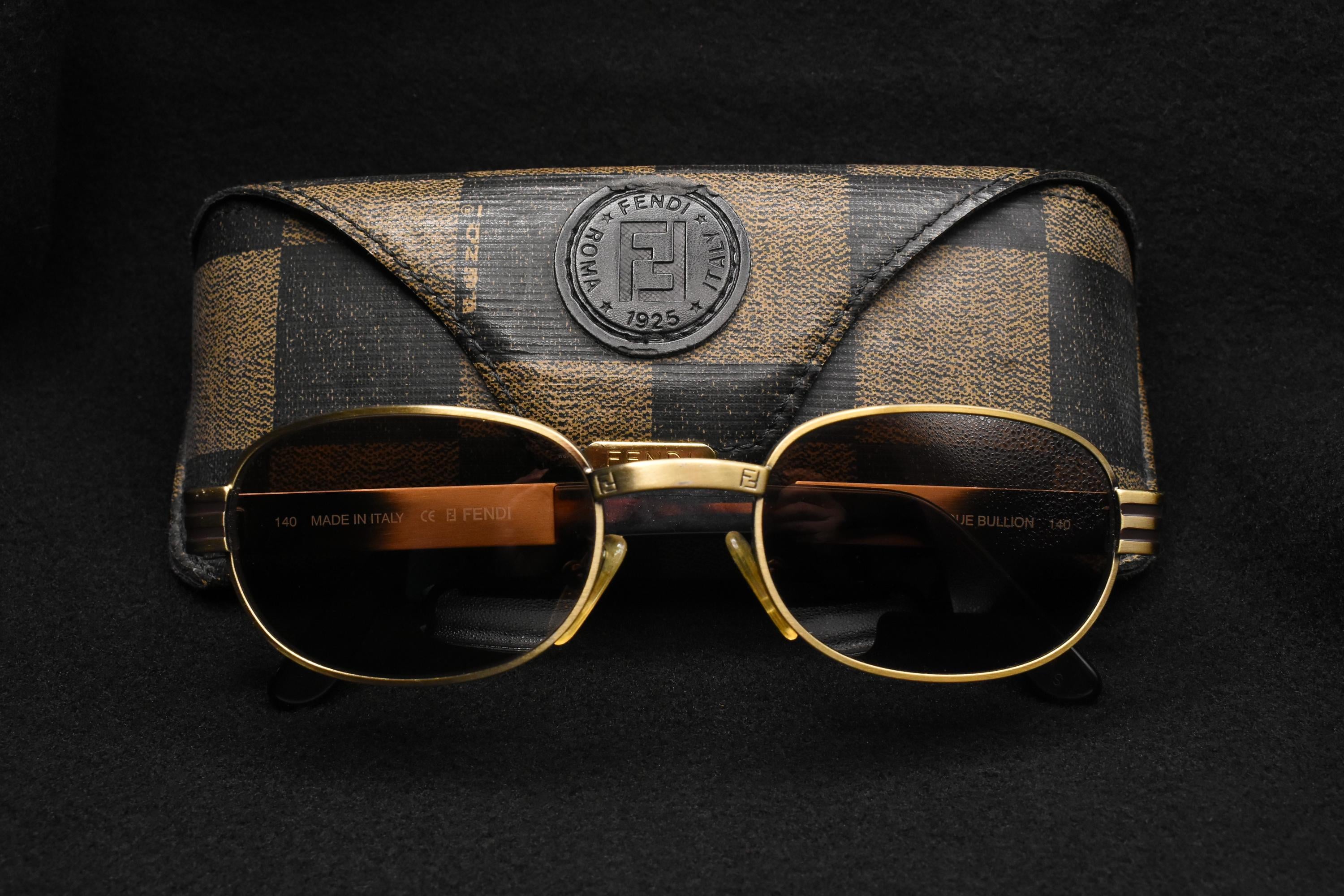
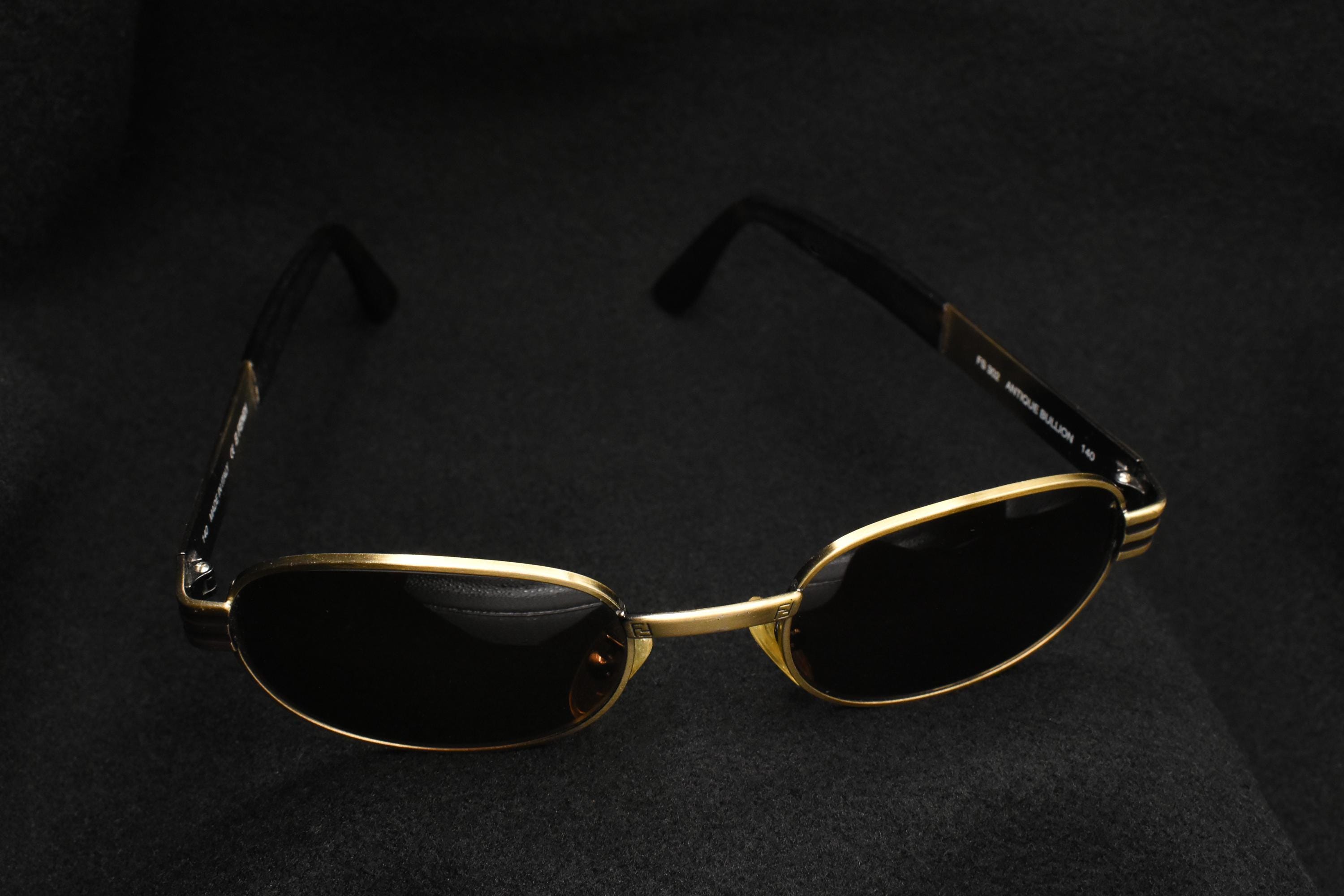
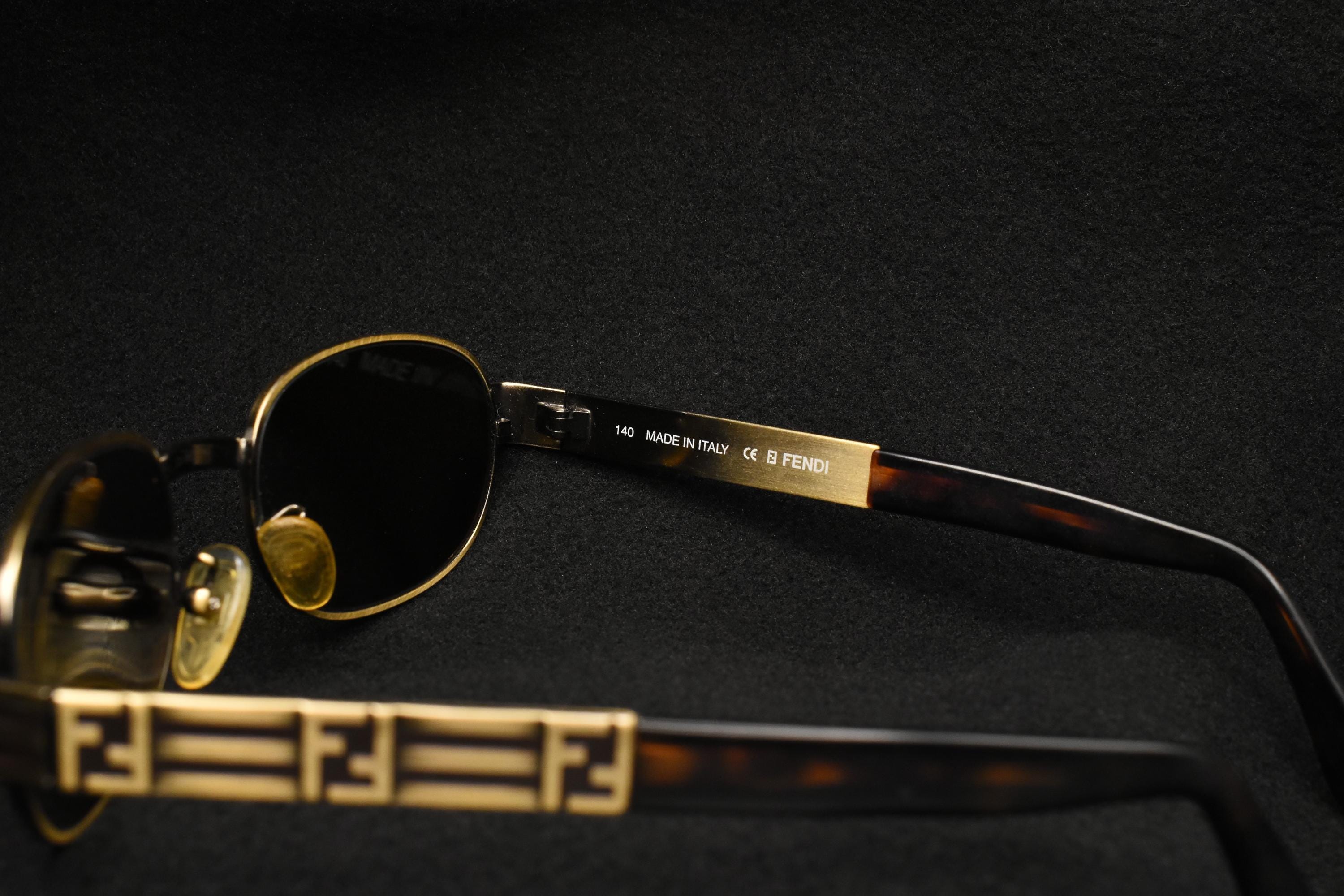
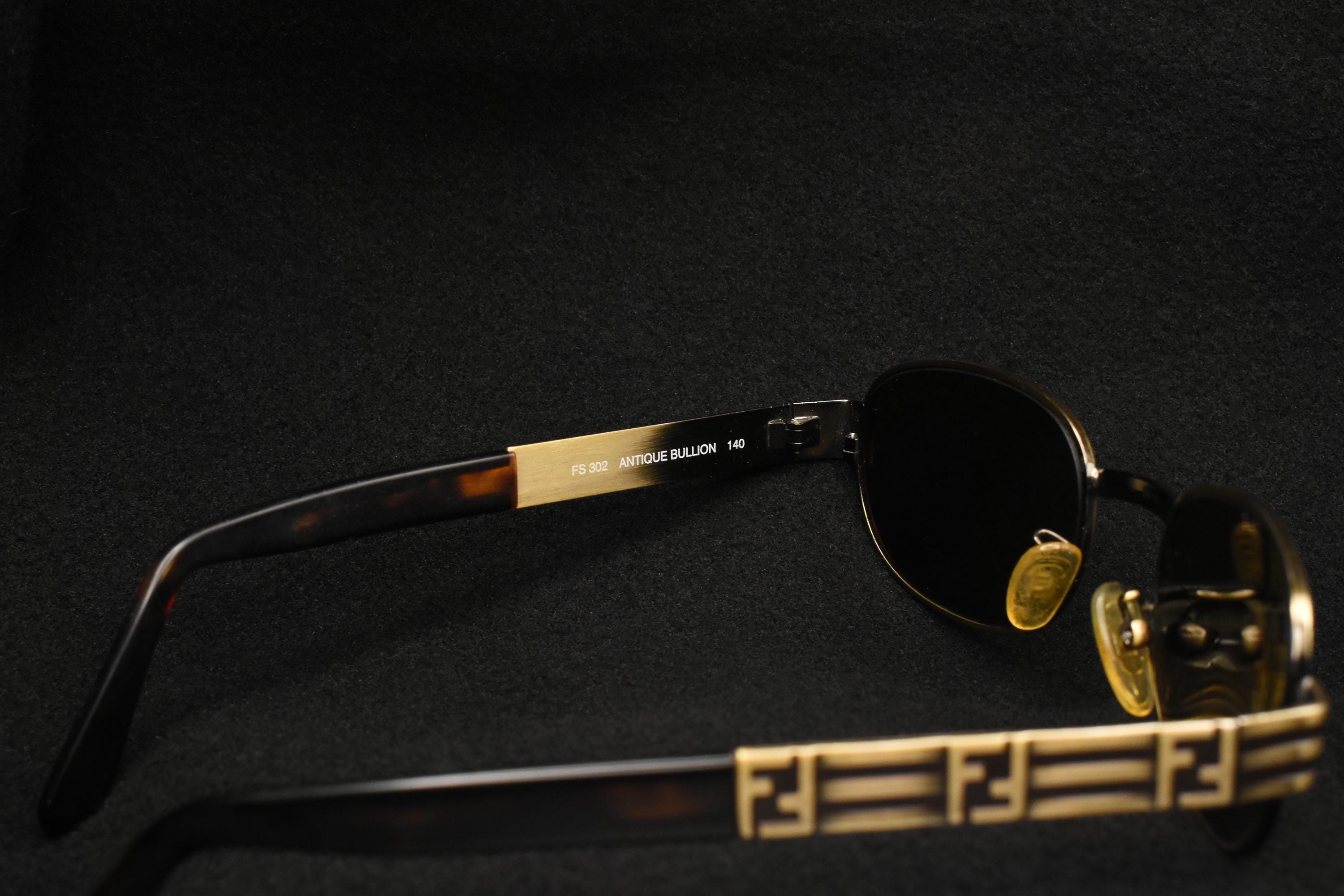
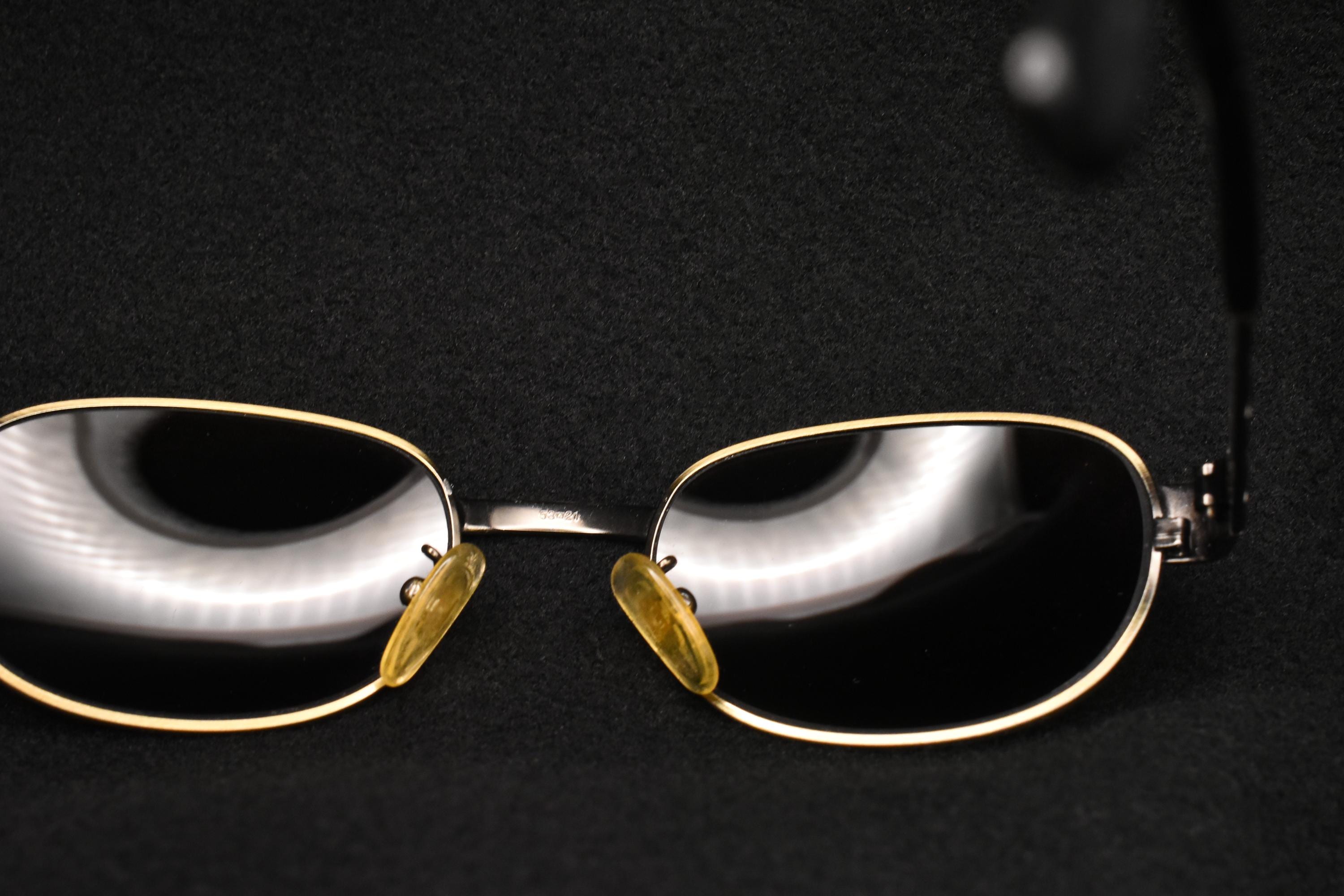
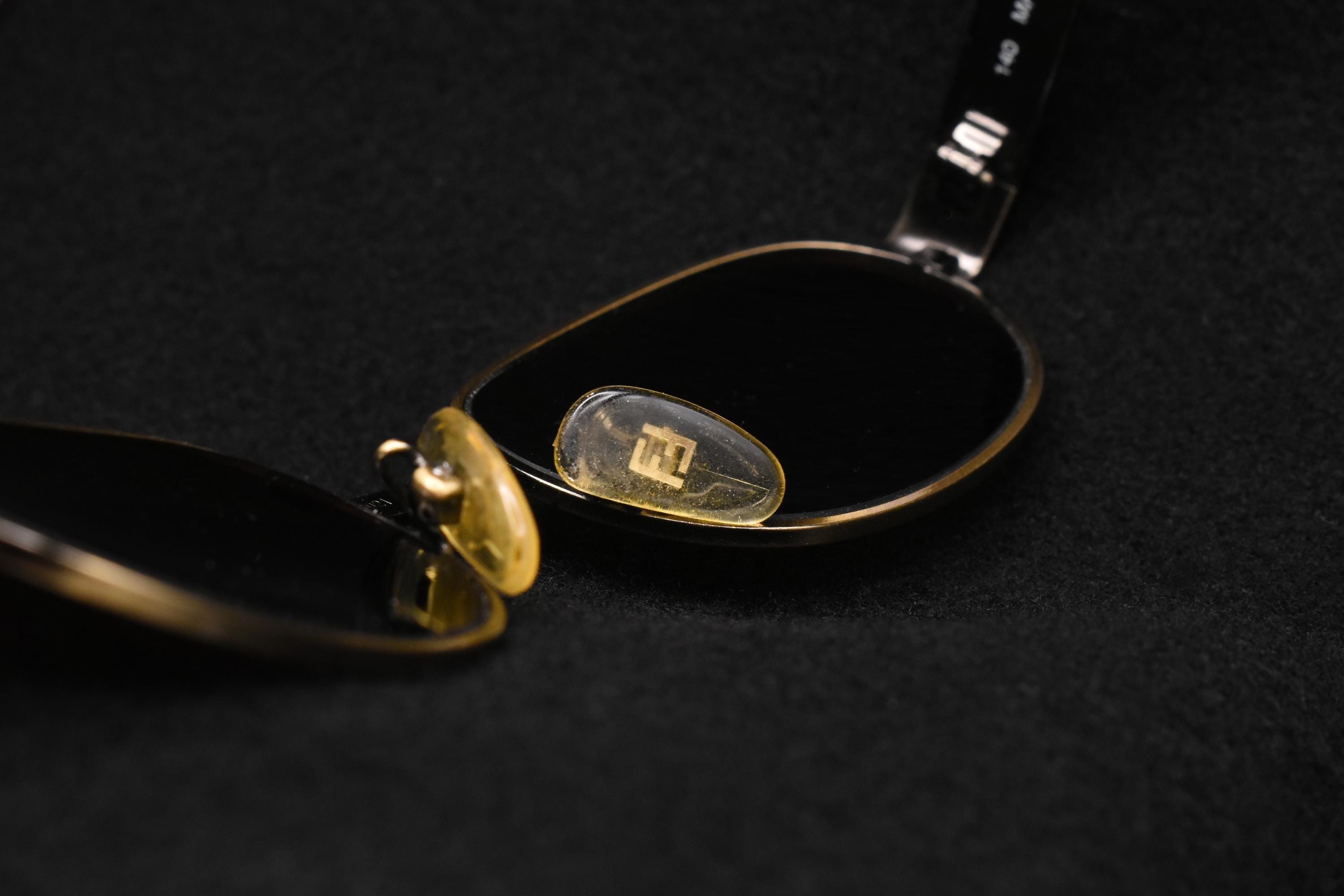
Rare and Stunning Vintage Fendi Sunglasses - FS 302 Antique Bullion
$246.49
-
DetailsReserved for Gagan
Normally, C&K prides itself on the curating a unique selection of antiques. But we mustn't dismiss the importance of vintage items in our search of history's influence. We were recently given the chance to acquire such pieces of 'recently'-popular culture and are proud to present these items for your historical education and stylistic exploration.
Throughout the 20th century, there have been companies and organizations who have shaped our modern world. RCA, Columbia, several international airlines and later, the likes of Apple and Microsoft... these all have framed our technological and physical expansion of the world. However, there are arguably equally influential aspects of our world that we would be folly to ignore - that is our vision of ourselves. Fashion and our outward appearance has always been an instrumental measure of human advancement. In fact, with the lack of technological advancement in humanity's ancient history, it is fashion, jewelry and accessories that help us date ancient civilizations and social movement through the ages. Celtic, Roman and Viking metallurgy as long been admired and relied upon to illuminate social strata and technological advancement of those ancient cultures. The importance of accessorizing one's self and home cannot be understated and should thus be given the exploratory value it deserves.
We begin our voyage through iconic luxury with Fendi. It is one of the most recognizable and respected fashion houses that emerged from the 20th century and has had a great impact on the evolution of international couture.
It began in 1925 Rome, when two Italian lovers with a penchant for craftsmanship decided to show the attraction of two materials that had hitherto been synonymous with utility - leather and fur. Adele Casagrande and Edoardo Fendi had married in the years following the Great War. Their passion for quality and style led to the establishment of Fendi in 1925. A year later, they opened a small shop on Via del Plebiscito, in Rome. They specialized in leather and delicate fur goods. Adele was, by all accounts, a force of nature. She was entrenched in every aspect of the business and prided herself on sourcing only the finest materials to adhere to her exacting standards. Her first triumph was the "Salleria" line ("saddle"), inspired by horse bridles and crafted by local artisans. This initial triumph was followed by several others. Adele showed how furs, rather than being a bulky, utilitarian textile, when used as an adornment, could be an elegant, fashionable and feminine source of warmth. Her vision propelled the once-humble fashion house onto the national stage and cemented their continuing success through the mid-20th century. However, Adele and Edoardo couldn't run their business forever, especially considering their astronomical growth. Luckily, their talent and passion was passed down to their children.
They had 5 daughters - Anna, Carla, Franca, Alda, and Paola. By the 1940s and 50s, they had each joined in the family business, and far from just helping their parents, they soon found themselves excelling even Adele and Edoardo's expectations. Each sister was taking responsibility for a specific aspect of the business. Anna took care of the design and licensing office; Carla was in charge of the commercial and the press office; Franca served as the purchasing manager and managed external relations with clients; Alda was responsible for managing the atelier and the fur workshop, and Paola oversaw the fur segment. It was through their vision and leadership that Fendi's status as a truly legendary and timeless fashion house was secured. By 1964, Fendi had outgrown its original boutique, prompting the opening of a new, more luxurious location on Via Borgognona. This expansion signaled the beginning of Fendi’s ascent beyond Italy, setting the stage for its global breakthrough.
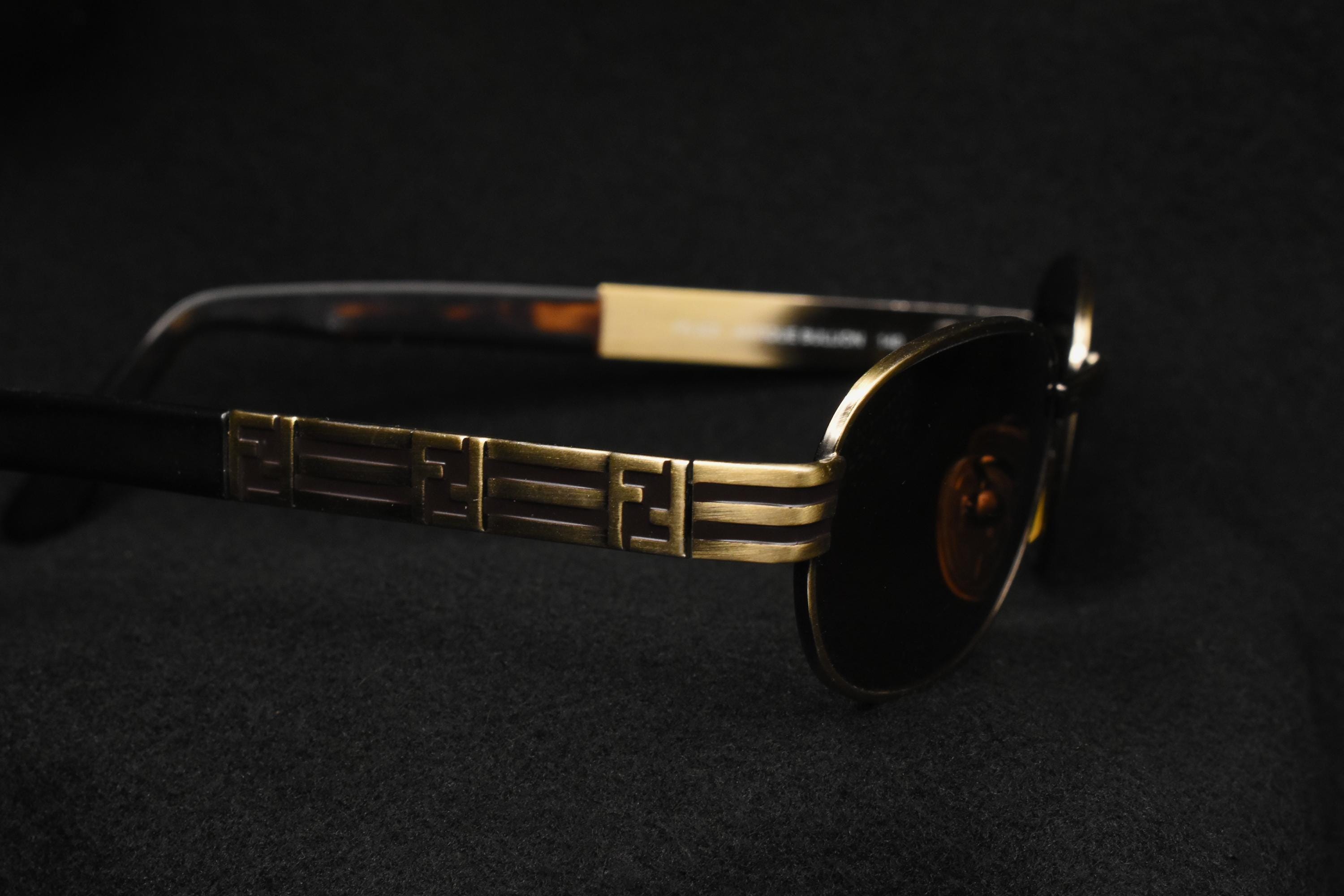
In 1965, a young but infinitely-talented designer named Karl Lagerfeld decided to accept the sisters' invitations and joined the Fendi family. They has set out to find a fresh designer to breathe new life into their fashion line and this up-and-coming talent seemed a perfect fit. That same year, he designed the now-famous "double F" logo. It does not stand for 'Fendi,' as most would assume, but rather was a play on words to Lagerfeld's own idea - "Fun Furs." It was but the first development of a truly historic alliance (initially intended as a liner to a newly-developed luggage line, but evolving to become an internationally-recognized symbol of Fendi). This joining would result in the longest partnership in fashion history, spanning 54 years! Lagerfeld used to call the Fendi sisters “the five fingers of a hand.” Despite Lagerfeld being the central figure, the five sisters were still heavily involved in the business to continue to innovate the brand’s offerings.
Lagerfeld excelled in his development of furs - he showed them as accessories to be desired. He coloured them and proved they could be used as accents and fun add-ons to high fashion as he continued to propel the fashion house into the world's cultural eye.
In 1977, Fendi introduced its first ready-to-wear line. It wasn’t presented on the runway or in a campaign, but through the short film, "Histoire d’Eau" by Jacques de Bascher, which is considered the first fashion movie in the history of fashion. In 1978, they launched their first footwear line. By the 1980s, they had introduced their first fragrance.
In 1992, the third generation of the Fendi family, Silvia Venturini Fendi, granddaughter of the Fendi matriarch, Adele, took the helm. Silvia invented two Fendi Icons: the Baguette and Peekaboo bags, created respectively in 1997 and 2008. These timeless pieces became new symbols of the Roman house. In the first year of the Baguette bag's release, it sold a staggering 100,000 units! (...no doubt, this was due largely to its appearance in "Sex and The City," with the exclamation by Carrie Bradshaw: "It's not a bag, it's a baguette.") She also spearheaded a revolution in Fendi accessories, releasing everything from glasses (both sun and frames for prescription) to bracelets and belts.
Fendi's growth hardly slowed, and they continuing to break boundaries with their vision. They performed some of the most historic stage shows in fashion history - in 2007 atop the Great Wall of China (a truly visionary first) and in 2019, staging a memorable show at the Trevi Fountain in Rome, celebrating Fendi's 90th anniversary. In 2019, Fendi’s Couture show at the Temple of Venus in the eternal city paid homage to the brand’s roots in Rome and Karl Lagerfeld. The collection included 54 looks, one for each year he spent in the Roman house.
Their continuing influence on world fashion cannot be understated, nor can their impact on the evolution of countless fashion houses throughout the 20th and 21st centuries.
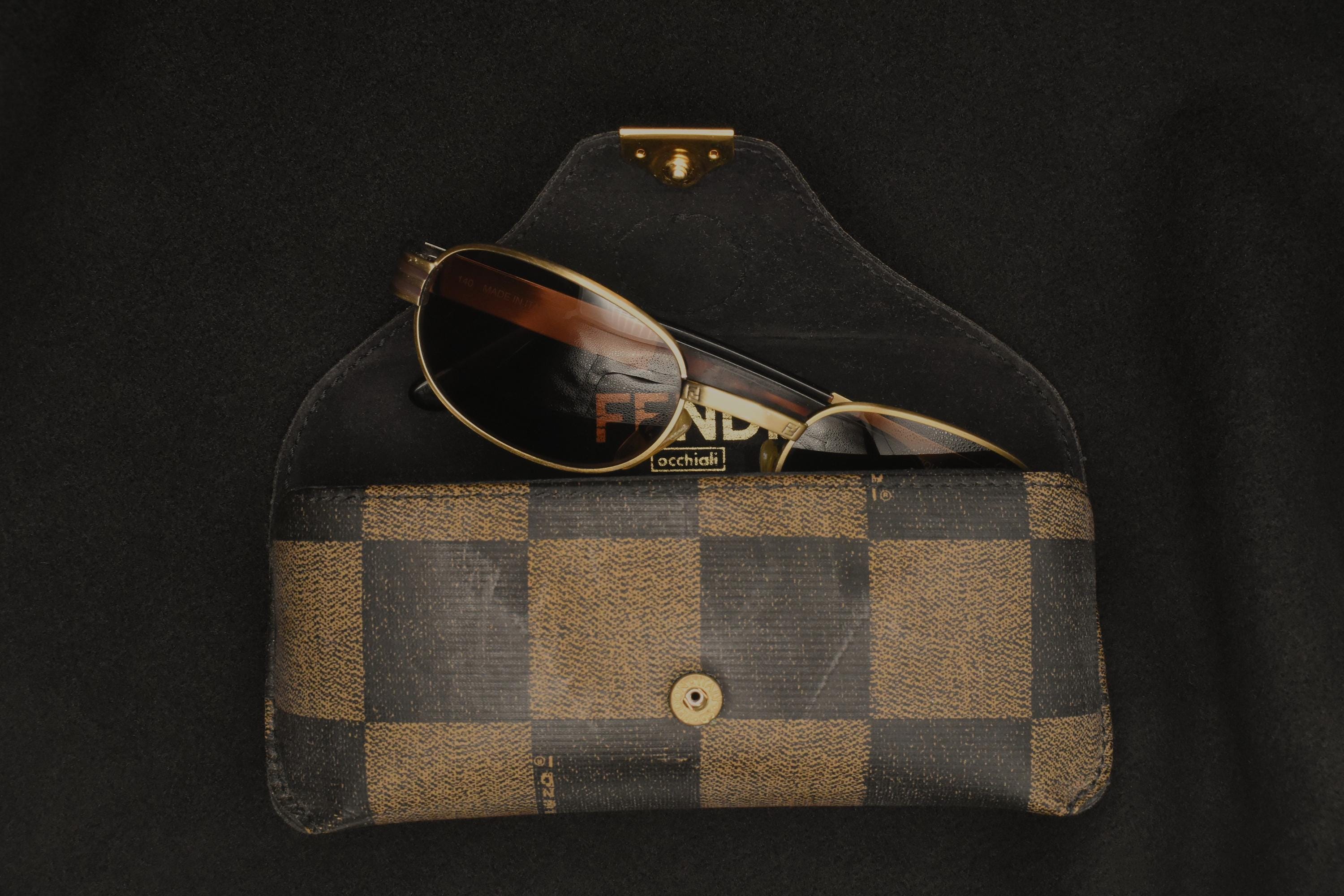
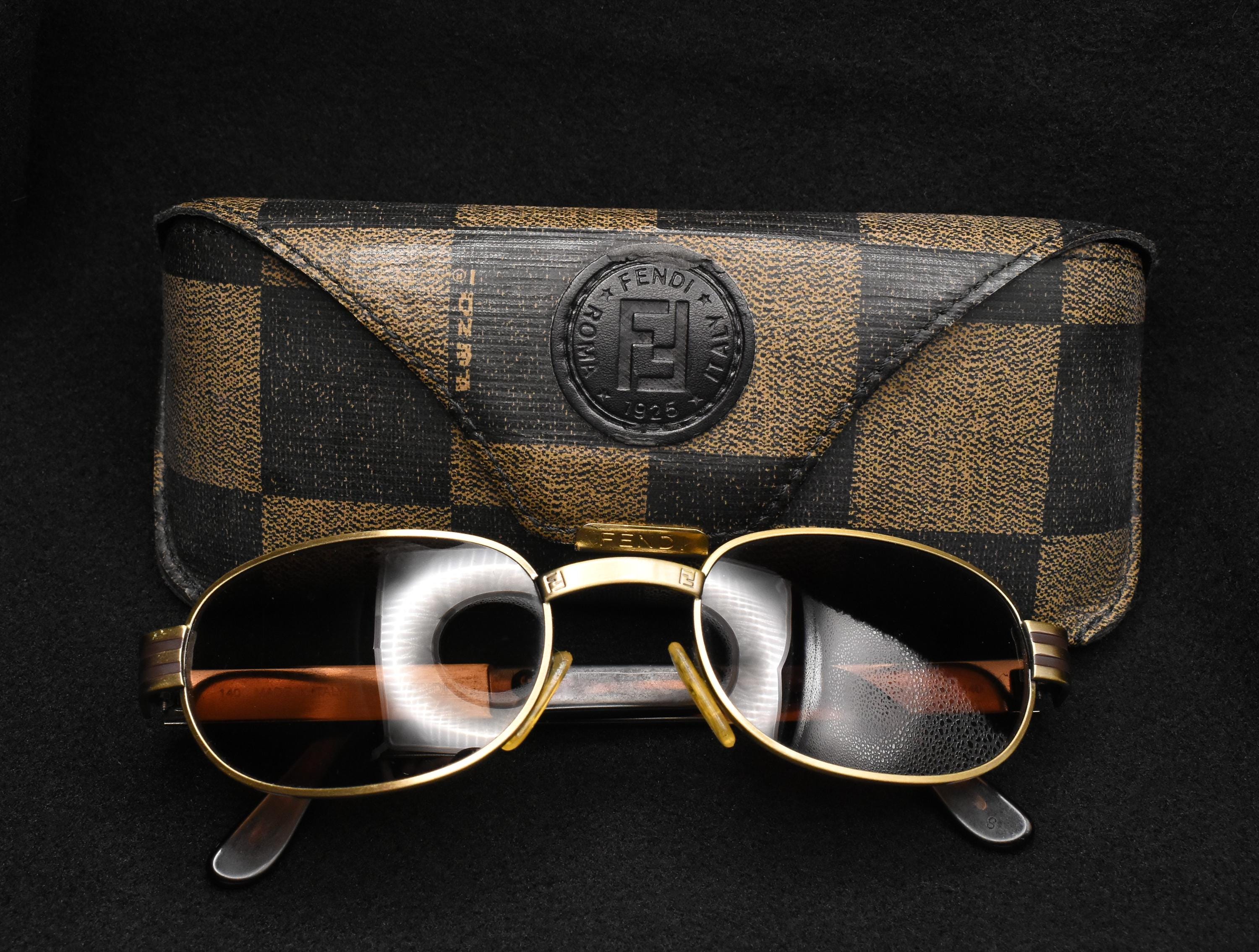
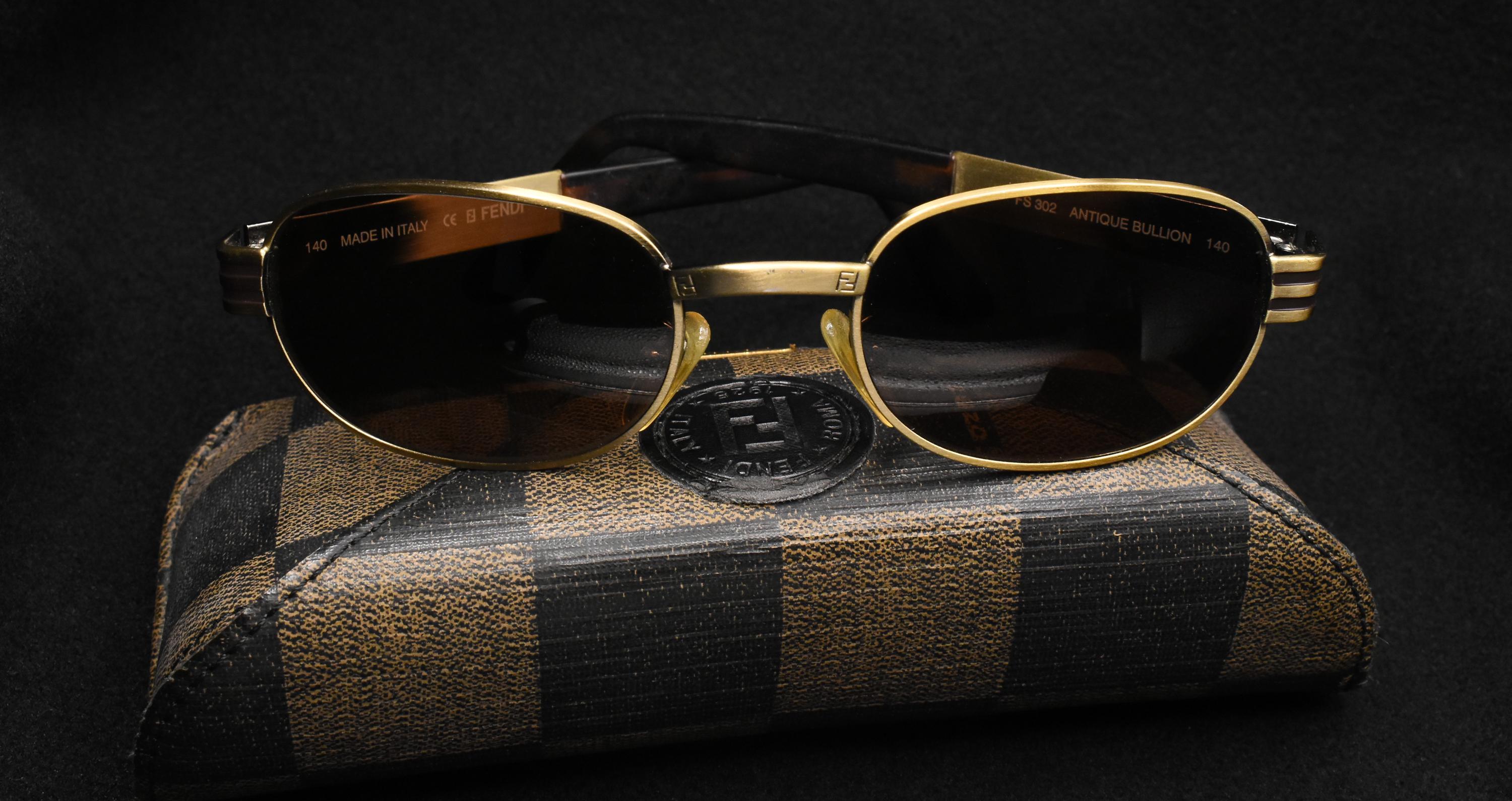
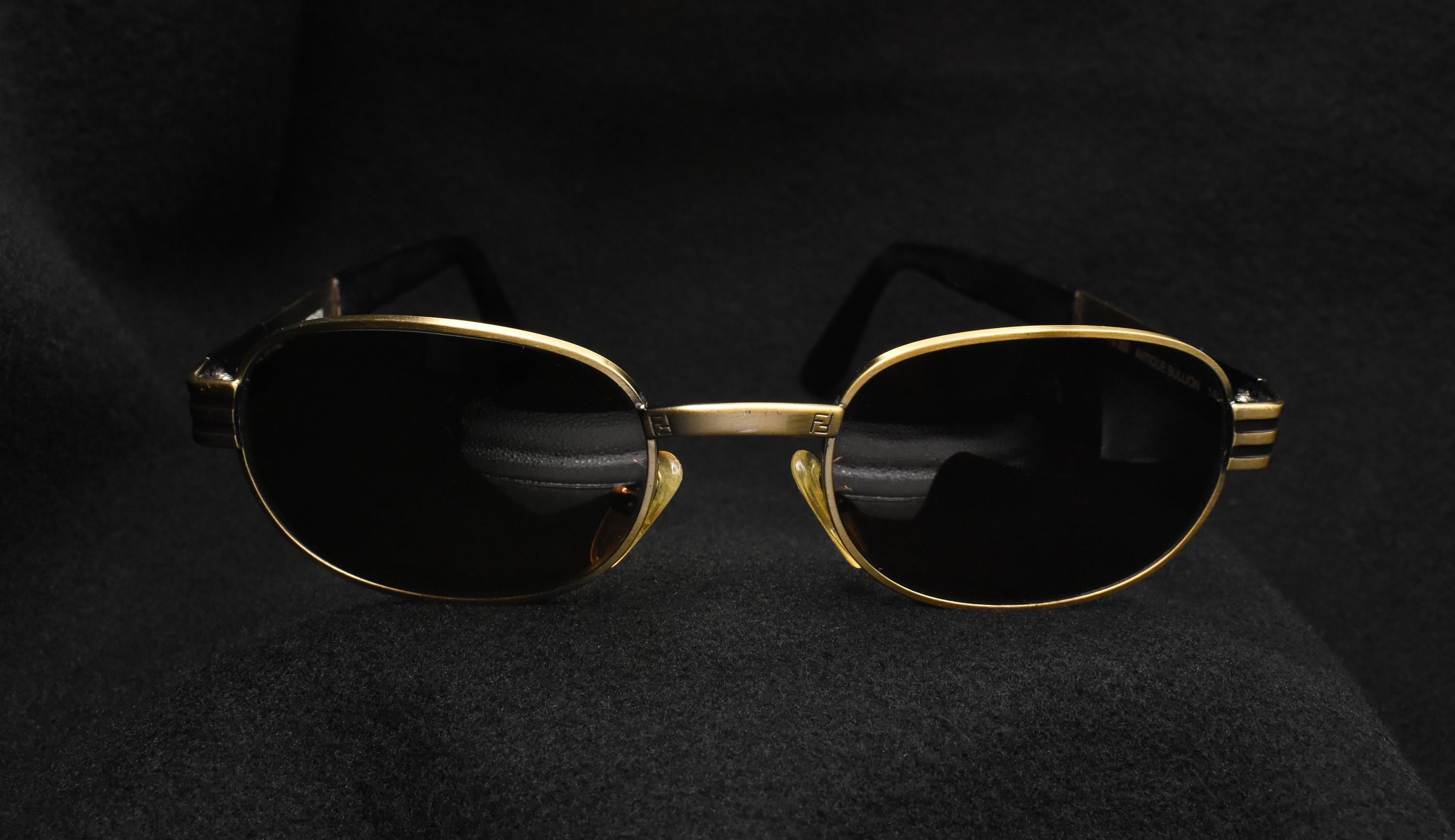
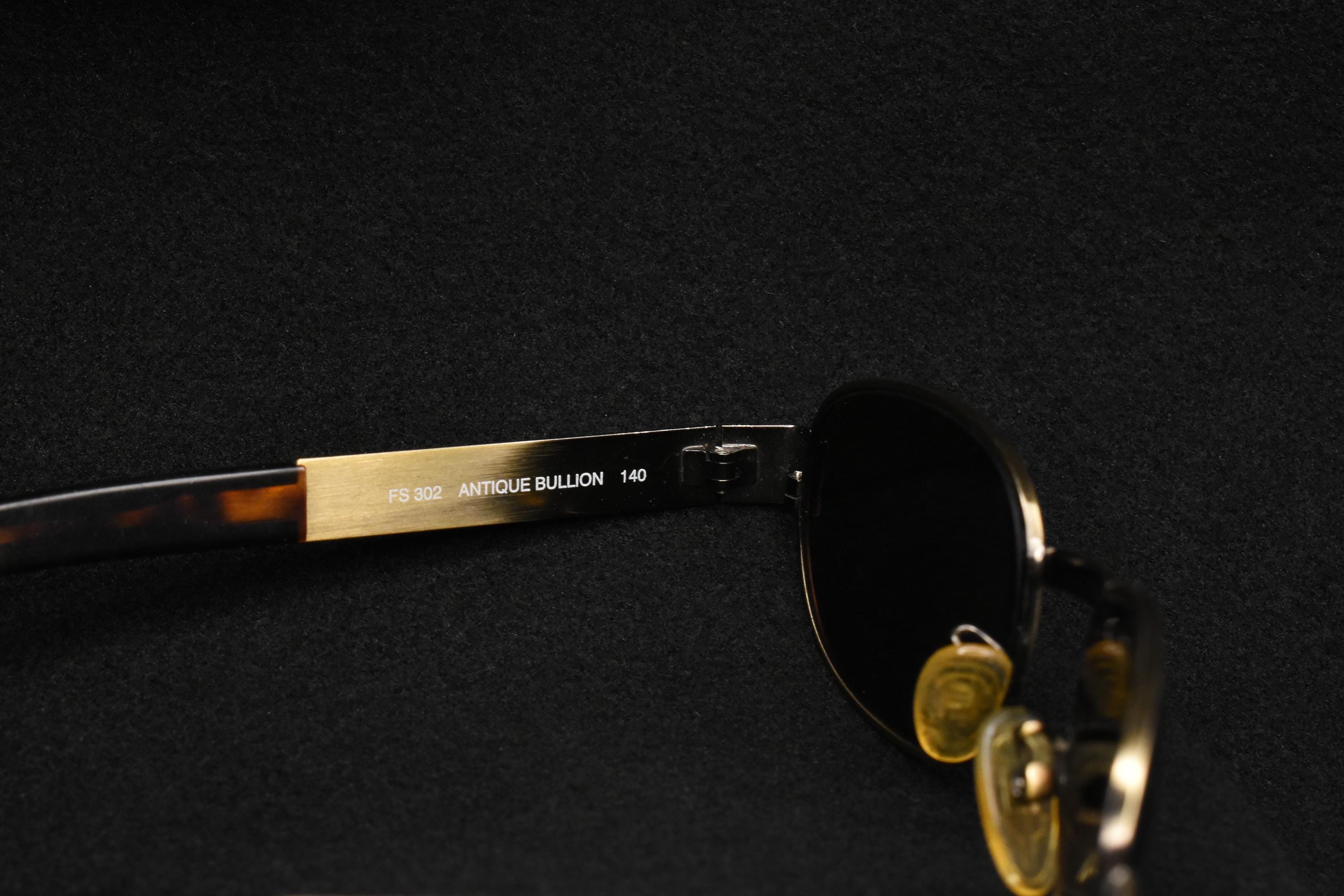
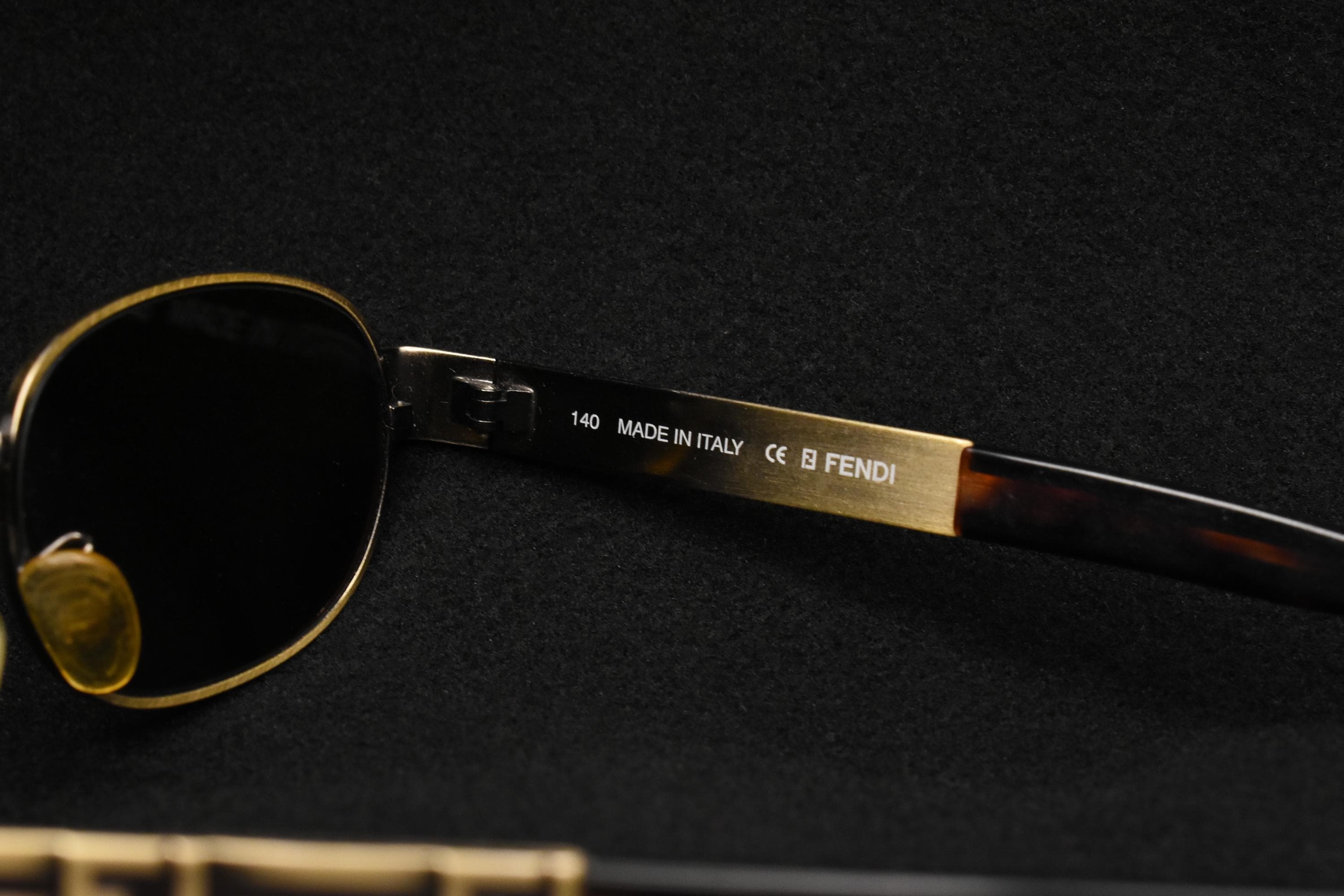
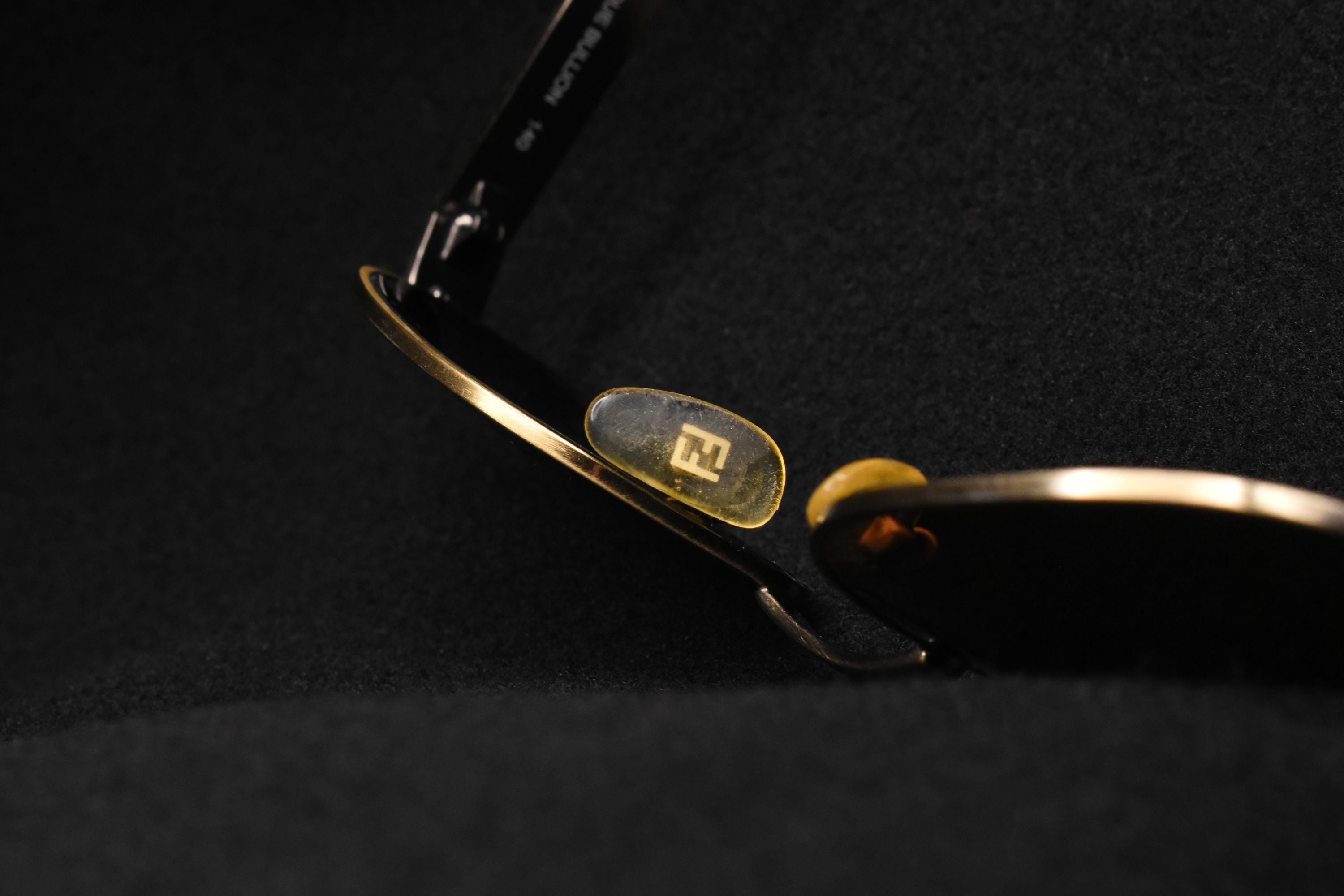
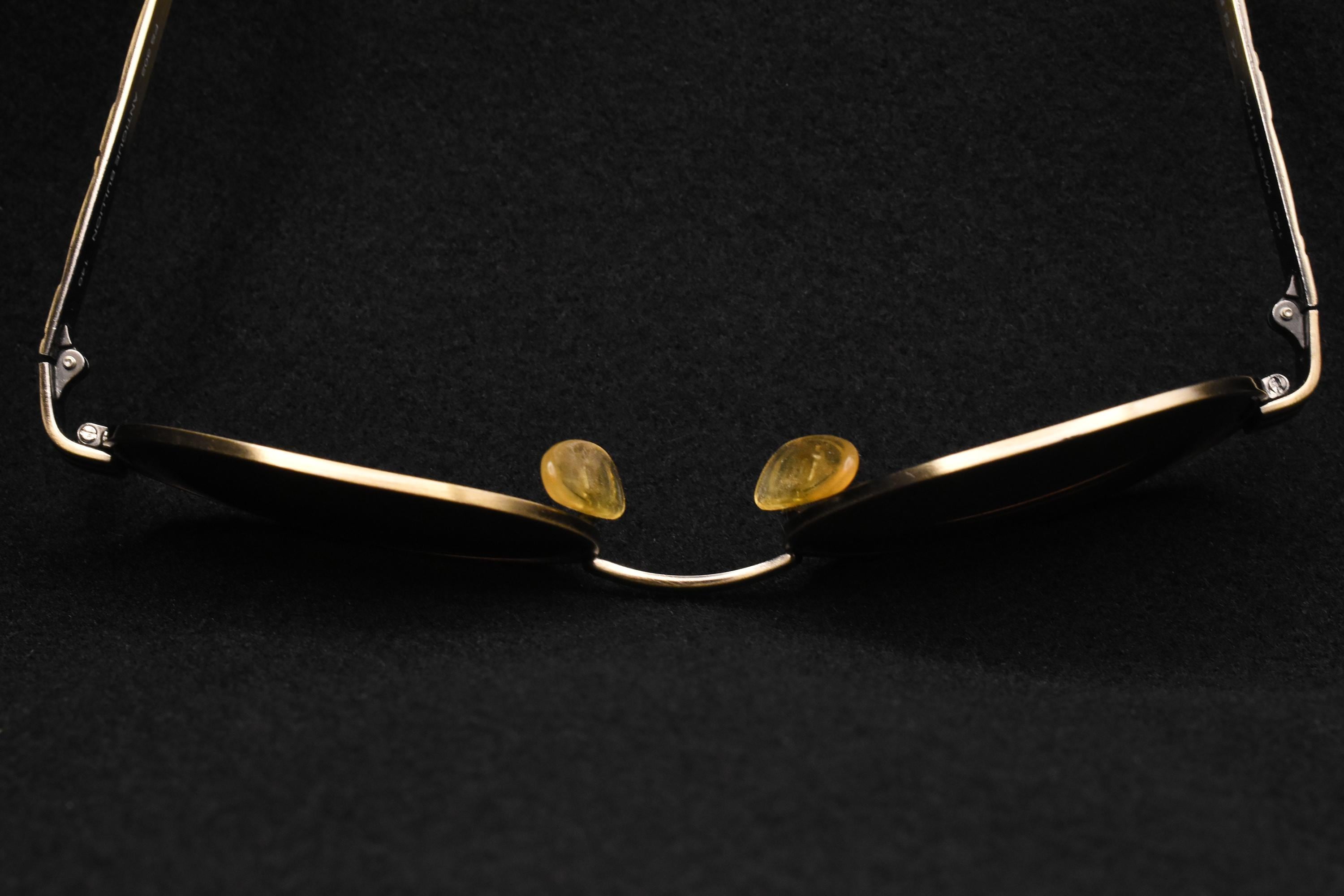
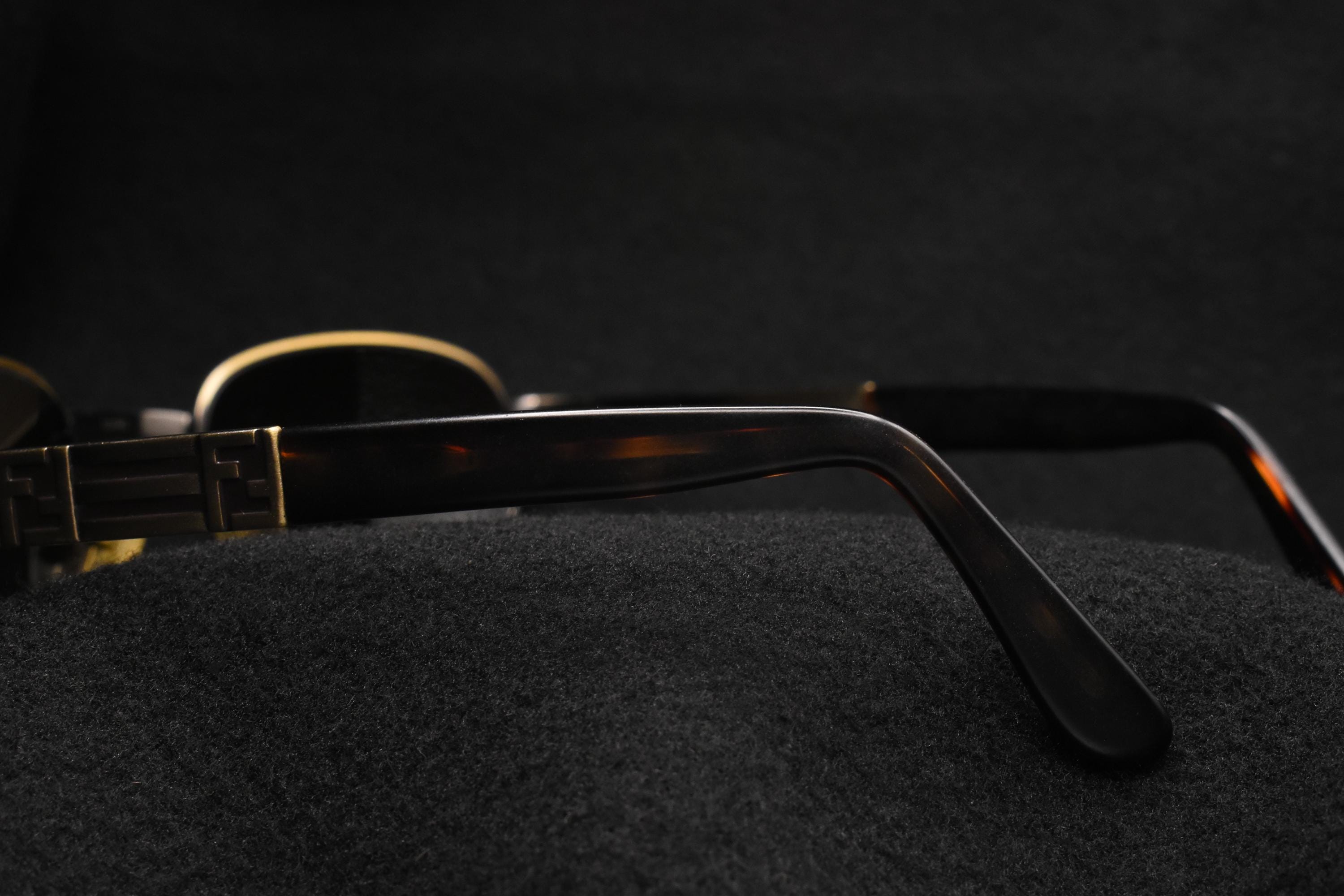
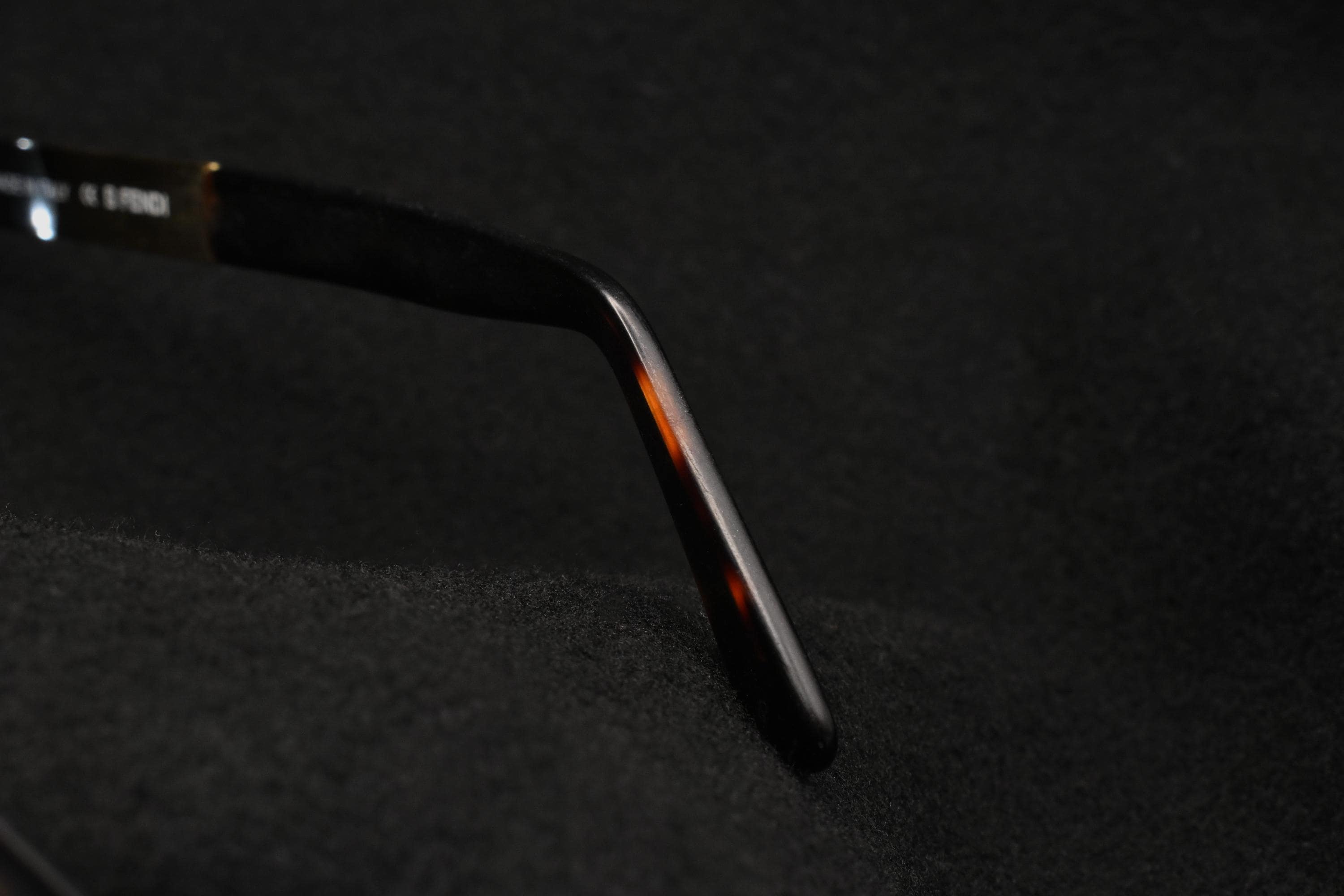
Our glasses were developed and released under the watchful eye of Silvia Fendi, in the early- to mid-90s. They remain a highly desired and beautiful example of timeless design - they are equally fashionable in 2026 as they would have been in 1960. Under style number FS 302, these are labelled under the colour code of "Antique Bullion," an attractive gold and brown tortoiseshell combination that remains as timeless and charming as the day they were released.
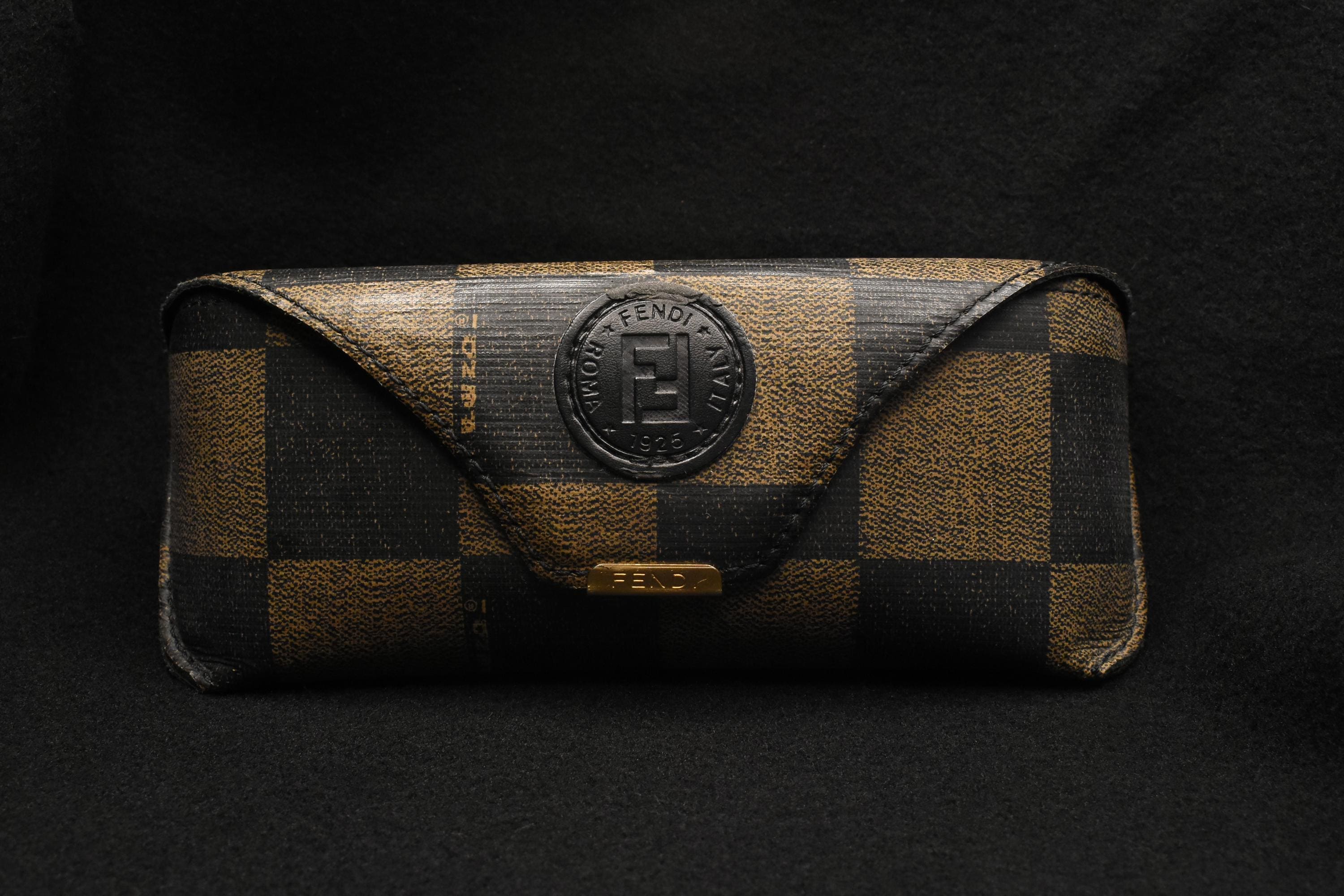
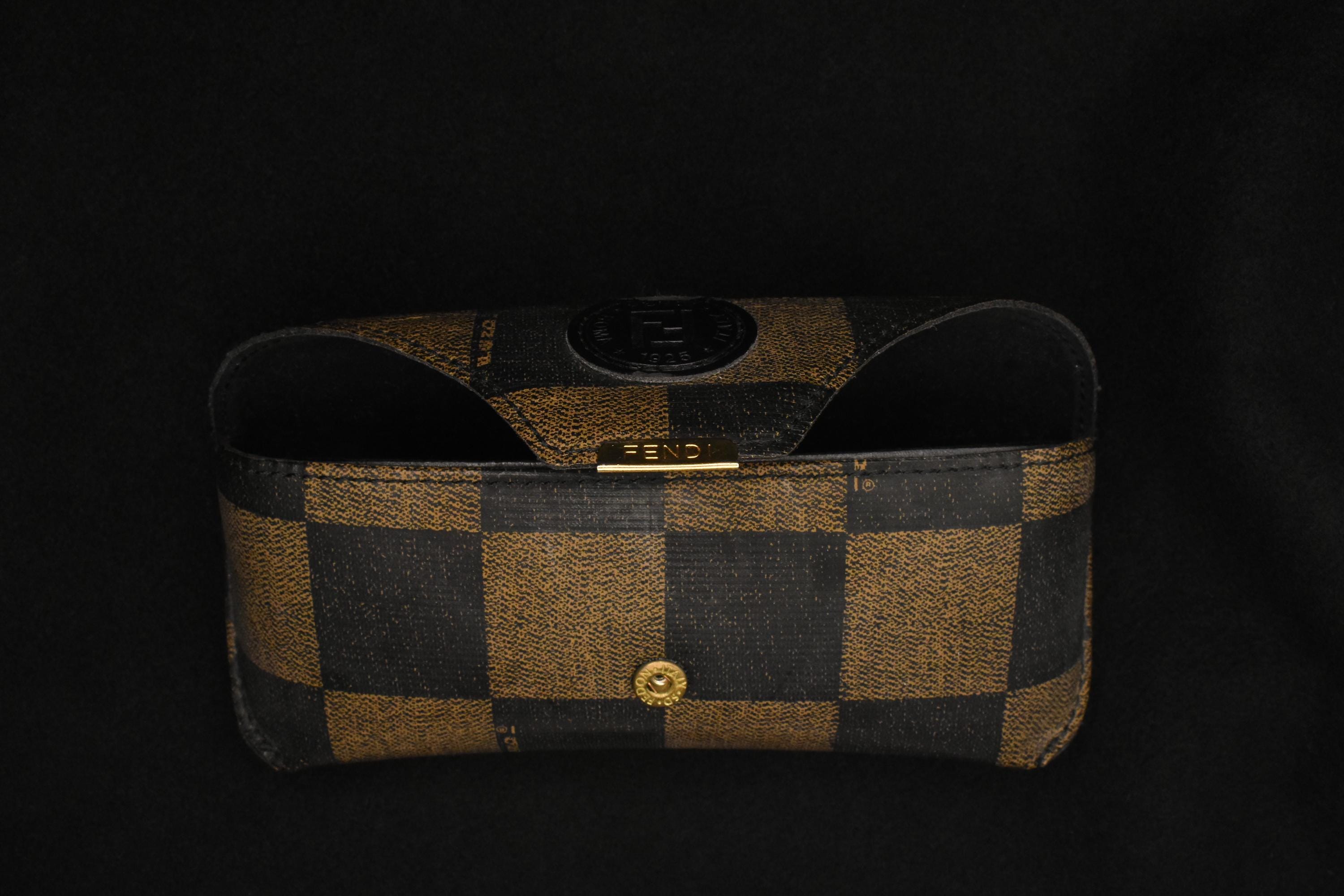
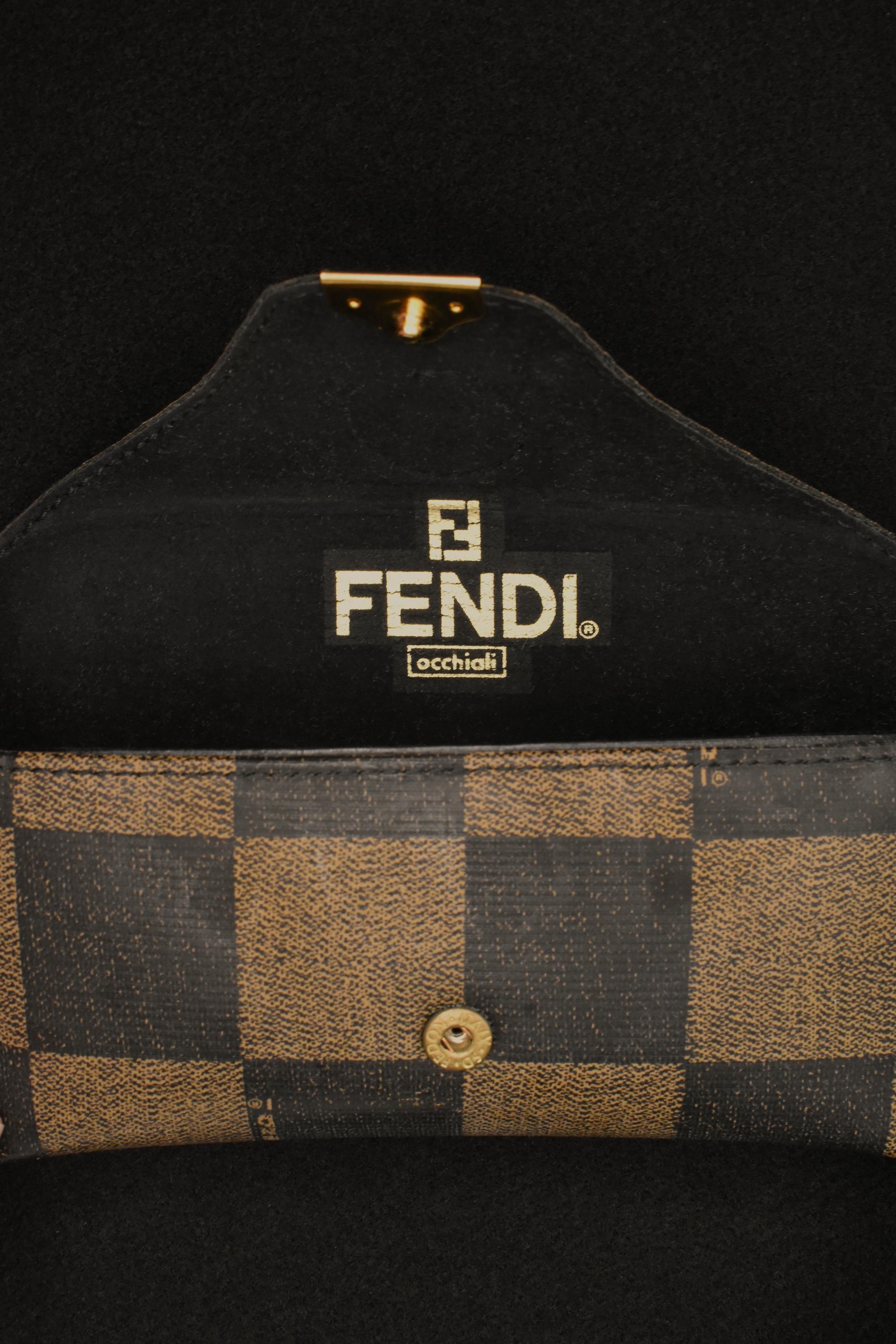
As far as condition, these are in excellent shape. Please note, any specks or blemishes you see in the photos or video are dust and is infinitely difficult to remove, prior to photographing - it's very annoying. Very lightly used, they do have one, barely-noticeable blemish on the outside of the right lens, right at the frame. It is not noticeable unless you're really searching for it and does not affect vision in any way. Otherwise, they are in nearly flawless condition. They come with the original leather case, in very good condition.
As always, should you have any questions or comments, I'm always happy to answer any and all messages expeditiously.
Thank you for visiting C&K! -
Shipping & Policies
Shipping from Canada
Processing time
1-2 business days
Customs and import taxes
Buyers are responsible for any customs and import taxes that may apply. I'm not responsible for delays due to customs.
Payment Options
Returns & Exchanges
Returns & exchanges accepted within 14 days
Buyers are responsible for return shipping costs. If the item is not returned in its original condition, the buyer is responsible for any loss in value.
The following items can't be returned or exchanged
Because of the nature of these items, unless they arrive damaged or defective, I can't accept returns for:
- Custom or personalized orders
- Perishable products (like food or flowers)
- Digital downloads
- Intimate items (for health/hygiene reasons)
Conditions of return
Buyers are responsible for return shipping costs. If the item is not returned in its original condition, the buyer is responsible for any loss in value.
Frequently Asked Questions
Can I combine delivery on multiple items?
Of course! We'd be happy to assist. Just send us a quick message and we'll make sure to combine your items into a single package to reduce the shipping costs.