Vintage
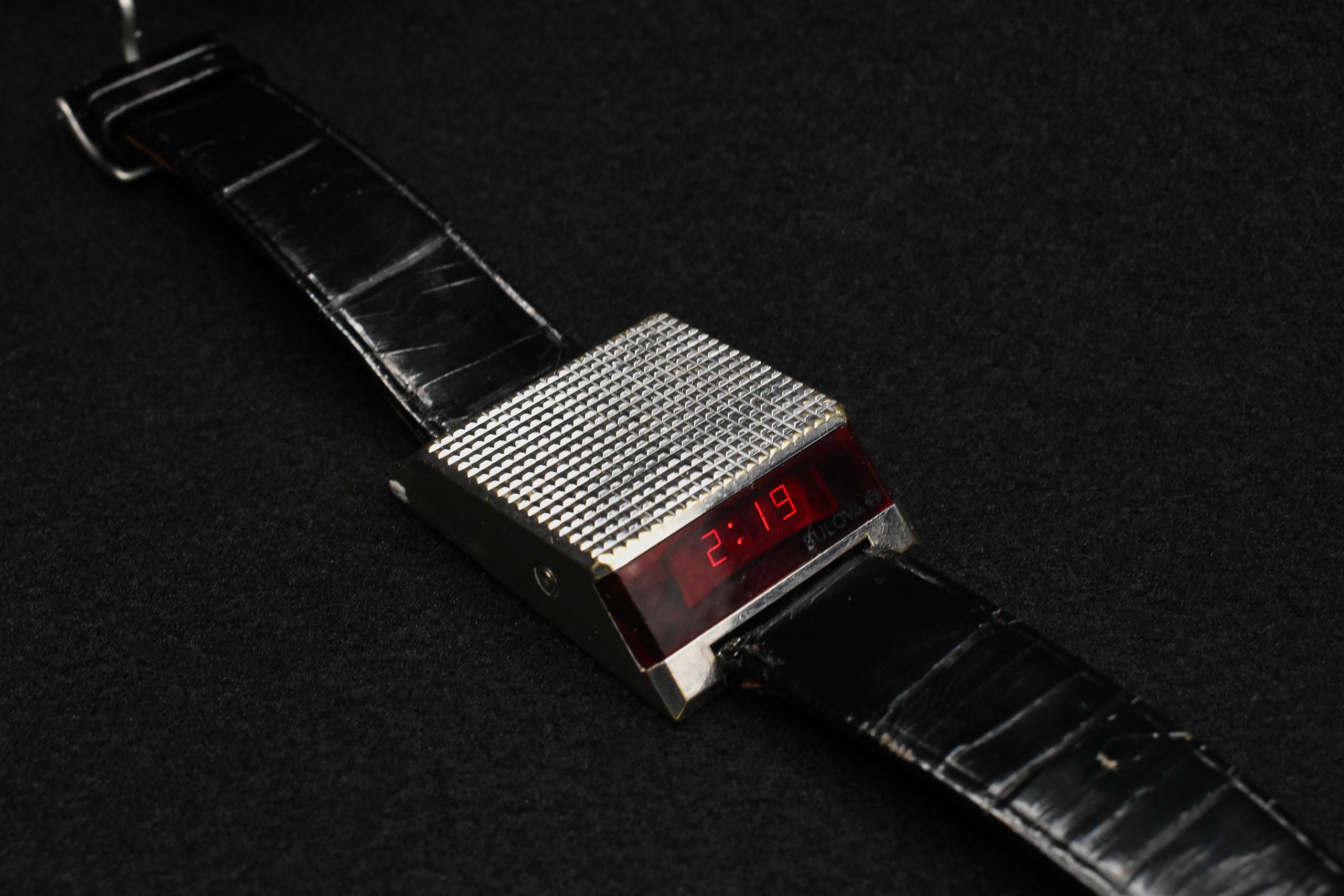
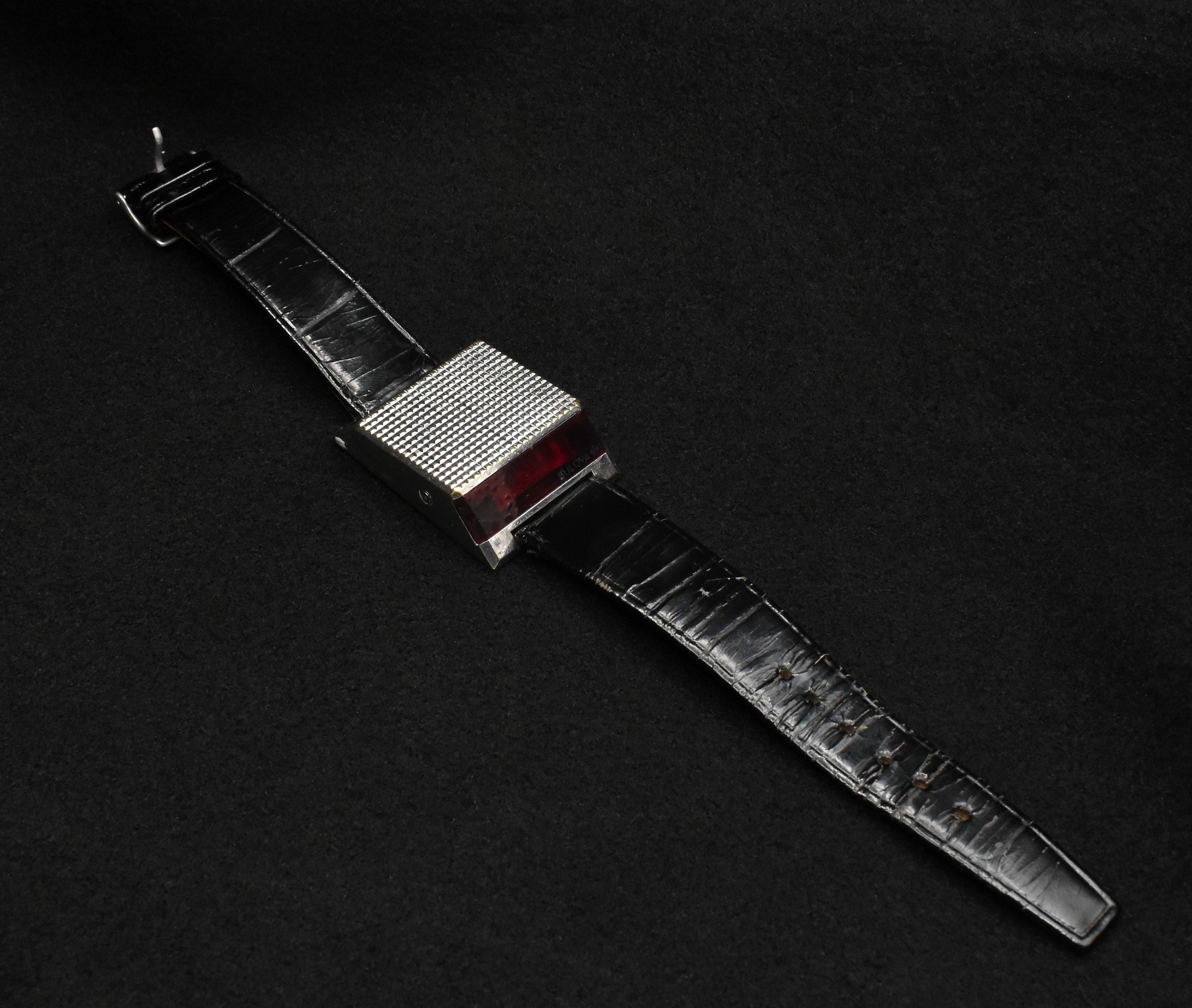
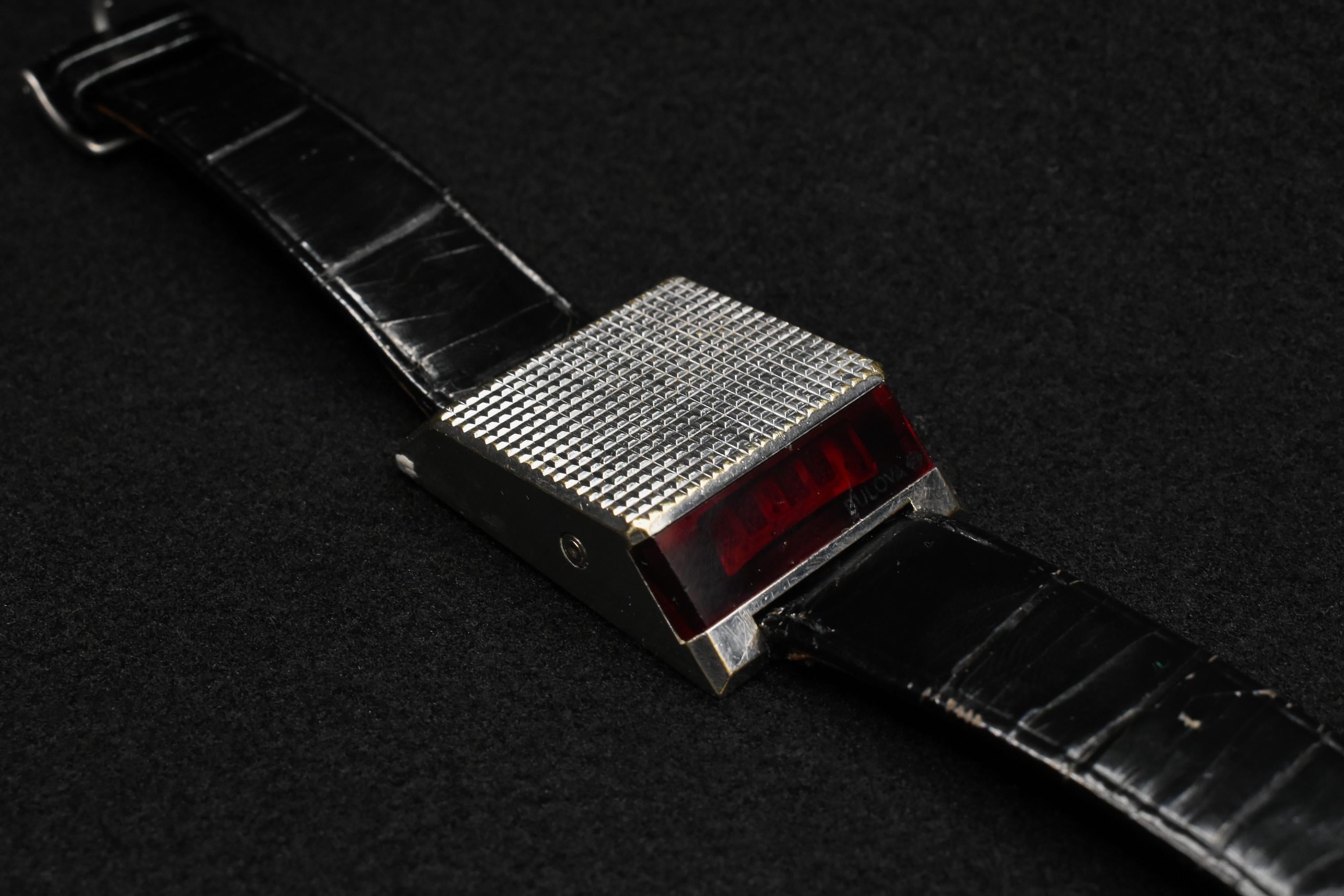
Vintage Bulova Computron Watch - Original First Issue!
$332.63
-
DetailsPlease note -TARIFFS PAID! US buyers need not worry about any additional charges! Order with confidence, knowing you won't be surprised with any additional fees.
Bulova has always been at the forefront of wristwatch technology and design, but it wasn't necessarily their impeccable quality that set them apart. Sure, the Swiss-made pieces were constructed without compromise, often touted as the most accurate timing devices in the world, but it was their commercial and marketing endeavors that truly set them apart.
Joseph Bulova immigrated to the United States in 1870. Born and trained as a goldsmith in Bohemia (present-day Czech Republic), his eventual foray into timekeeping was not unexpected. He found some early success on his own, and in 1875, opened his own jewelry shop in New York City, on Maiden Lane. It was a wise location, situated in the middle of the financial district of what had long established itself as the steam engine of the world's financial markets. What better place to ingratiate one's self into the minds of the city's wealthy elite? As a gifted craftsman and goldsmith, he found success early-on. He expanded his product line to include more varied items, eventually producing desk clocks and pocket watches by around 1911. By 1912, he had produced his first wristwatch, embracing the booming technological age that had entranced the nation. In 1912, Joseph had opened up his first factory dedicated solely to the production of wristwatches, in Biel, Switzerland. Switzerland had long been the center of watchmaking, dating back to the 1600s. By the early-19th century, Biel had been established as the technological center of the manufacture of the highest-quality timepieces in the world. It was only natural for such an ambitious and exceptionally-helmed company to relocate to the center of luxury watchmaking. However, a new trend had recently begun, evolving from the technological innovations of the tail end of the industrial revolution. With the adoption of the assembly line and large-scale industrial production, watches were, for the first time, being made of standardized parts. Joseph embraced this new technology and production of his watches began on an industrial scale. He adopted his "American Watchmaking System," cementing his reputation in the annals of horology as the Henry Ford of watchmaking. Although his center of operations was still located in Woodside and Flushing, New York, his factories overseas were churning out vast amounts of high-quality designer pieces.
The First World War brought limitless possibilities to wrist watches, most particularly in the field of aviation. Although the US was in peace-time, his European exposure brought the war a little closer to Joseph. He attempted to help the war effort, manufacturing simple yet accurate timepieces for pilots. In 1927, Charles Lindbergh completed the world’s first solo, transatlantic flight, earning him a Bulova watch as well as a cash prize of $1,000 from the brand. Lindbergh spoke highly of his timepiece, writing in a telegram to Bulova Watch Company that it “keeps accurate time and is a beauty.” Bulova commemorated Lindbergh’s accomplishment by issuing the “Lone Eagle” model watch. His status as a national hero helped propel the brand’s global recognition and the Lone Eagle became Bulova’s best-selling watch. New models being released, however, was not a rare event for Bulova. In fact, from 1922 to 1930, Bulova's art deco watches ruled the roost. They released no fewer than 350 women's watch models and an equal number of men's designs! The next year saw Amelia Earhart’s journey across the Atlantic Ocean and Bulova’s issuing of the “Lady Lindy” to commemorate the accomplishment. In a time where women were an afterthought in many parts of the consumer market, Joseph Bulova centered them in his horological ethos. In 1924, Bulova released the first complete line of women’s jeweled wristwatches. The “Lady Lindy” did not receive the same fanfare and collector legacy as Charles Lindbergh’s “Lone Eagle,” but the fact that the brand celebrated the historically unconventional successes of Amelia Earhart speaks a great deal to its advocacy of women’s rights during this time period. Despite the volume of models and constant design evolution, Joseph never allowed any compromise to his dedication to accurate timekeeping. So obsessed was Joseph Bulova with precise timekeeping that, the same year as Lindbergh's flight in 1927, Joseph established an observatory on top of a skyscraper at 580 Fifth Avenue, specifically to establish the most accurate universal time.
Bulova's success continued, but something important set them apart - marketing. In 1922, Bulova started an extensive advertising campaign in the Saturday Evening Post - a first for watchmakers. In 1926, Bulova produced the first ever national advertisement broadcast on radio, announcing the first 'beep' in history: "At the tone, it’s eight o’clock, Bulova Watch Time", an announcement heard by millions of Americans. In 1932, Bulova ran a "Name the Watch" contest for it's new $24.75 timepiece, offering a $1000 first prize and $10,000 in prizes, overall. By 1940, Bulova was sponsoring the top 20 radio shows in the country, further ensuring that when Americans thought of quality timepieces, it was the Bulova name that quickly came to mind. In 1941, Bulova produced and aired the world's first television advertisement, on July 1, 1941 (the first date that commercial advertising on television was permitted), before a baseball game between the Brooklyn Dodgers and Philadelphia Phillies. Paying between a paltry $4.00 and $9.00 (equivalent to between $86 and $192, today), Bulova further engrained themselves into the public's mind. By the early 1940s, they built the first, large, four sided, five-dial per side "sports timer" analog clocks to be used in sporting venues across the country. They seemed to always be at the forefront of not only watchmaking technology, but marketing practices that would shape the commercial world for decades to come.
With the outbreak of World War II, Bulova made sure to develop a special watch specifically for the Allied Forces. Referred to affectionately as "the watch that won the war," the A-11 pilot's watch was sturdy and simple, ensuring a little rough wear wouldn't interrupt the impeccable timekeeping. It even had a feature whereby the crown could be pulled to stop the second hand, thus enabling soldiers and pilots to synchronize their watches - an essential feature for men at war. So dedicated was the Bulova family to soldiers, and so highly respected were their efforts that, in 1945, Arde Bulova (Joseph's son and chairman of the board), founded the Joseph Bulova School of Watchmaking to provide training for disabled veterans after their return from the Second World War. The school later became a full-fledged rehabilitation facility, an advocate for disabled people nationwide, and one of the founders of wheelchair sports in the United States. Although it closed in 1993, it made a significant and lasting impact in thousands of lives.
I could continue singing the commercial and professional praises of this watchmaking behemoth (Bulova was actually awarded the only rights to the Academy Awards and use of the word "Oscar," and even personally sponsored Frank Sinatra and his late-night show in the 1950s, and later, they even became one of the first wrist watches worn to the moon!), we need to move on to their technical achievements.
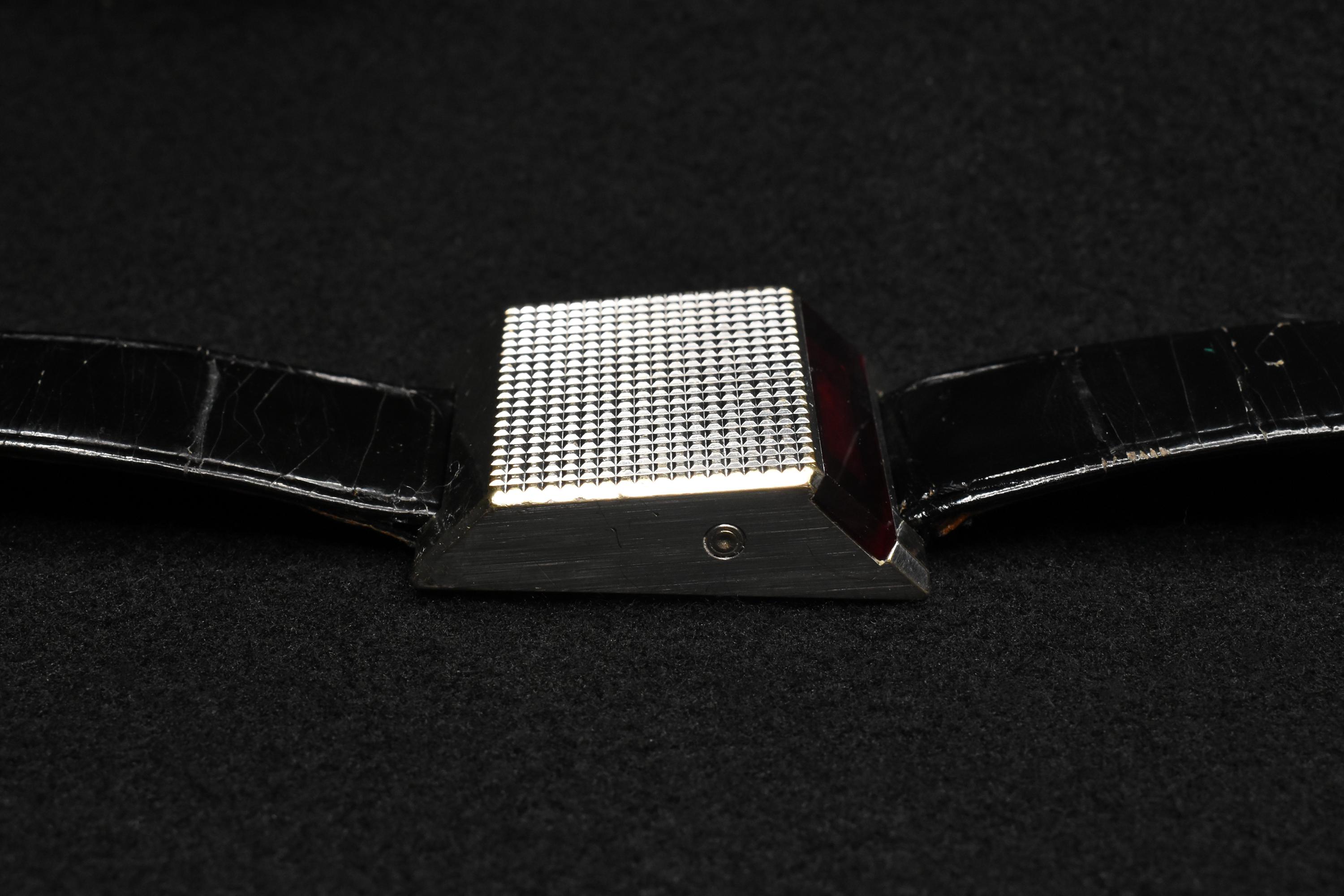
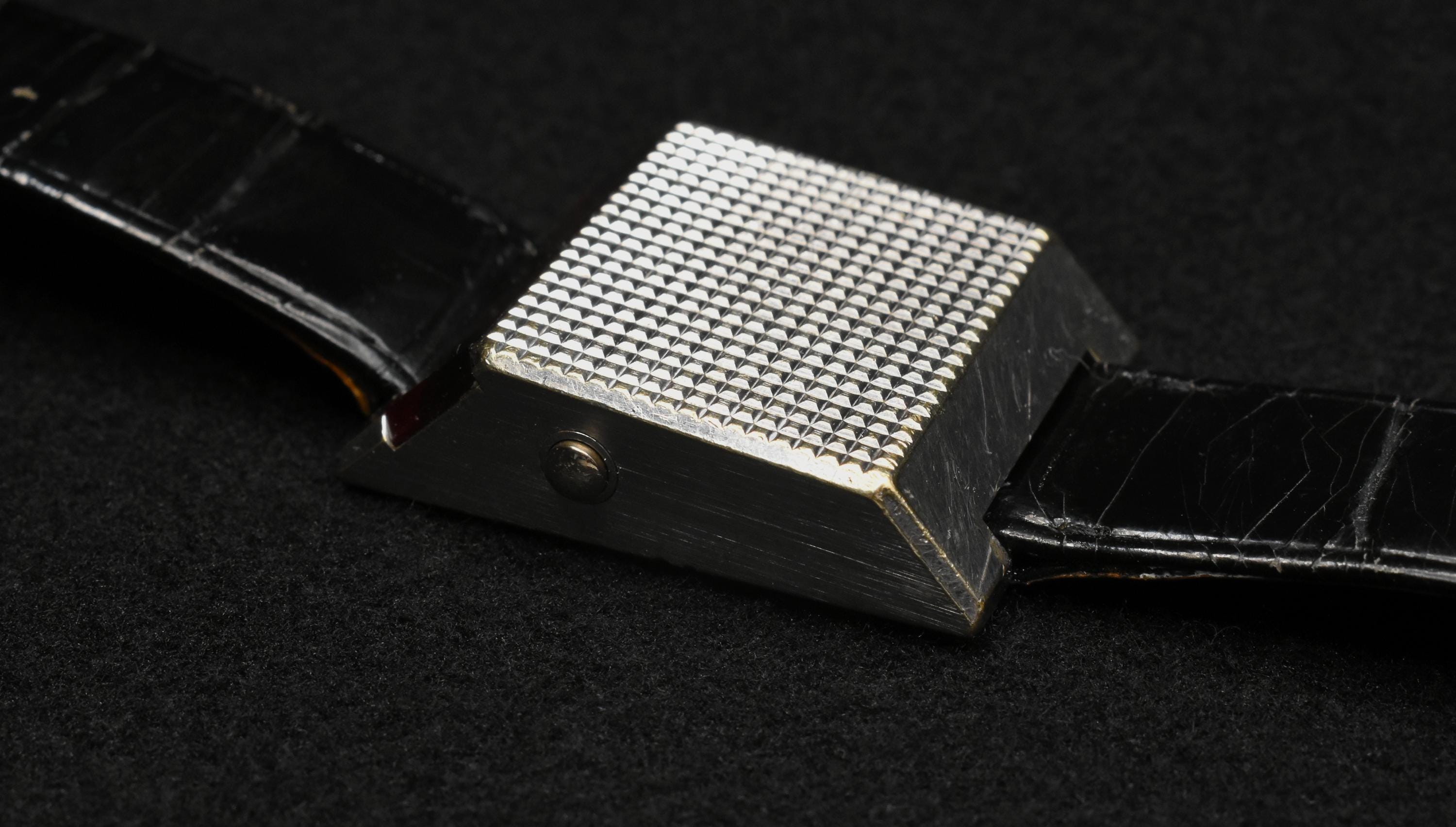
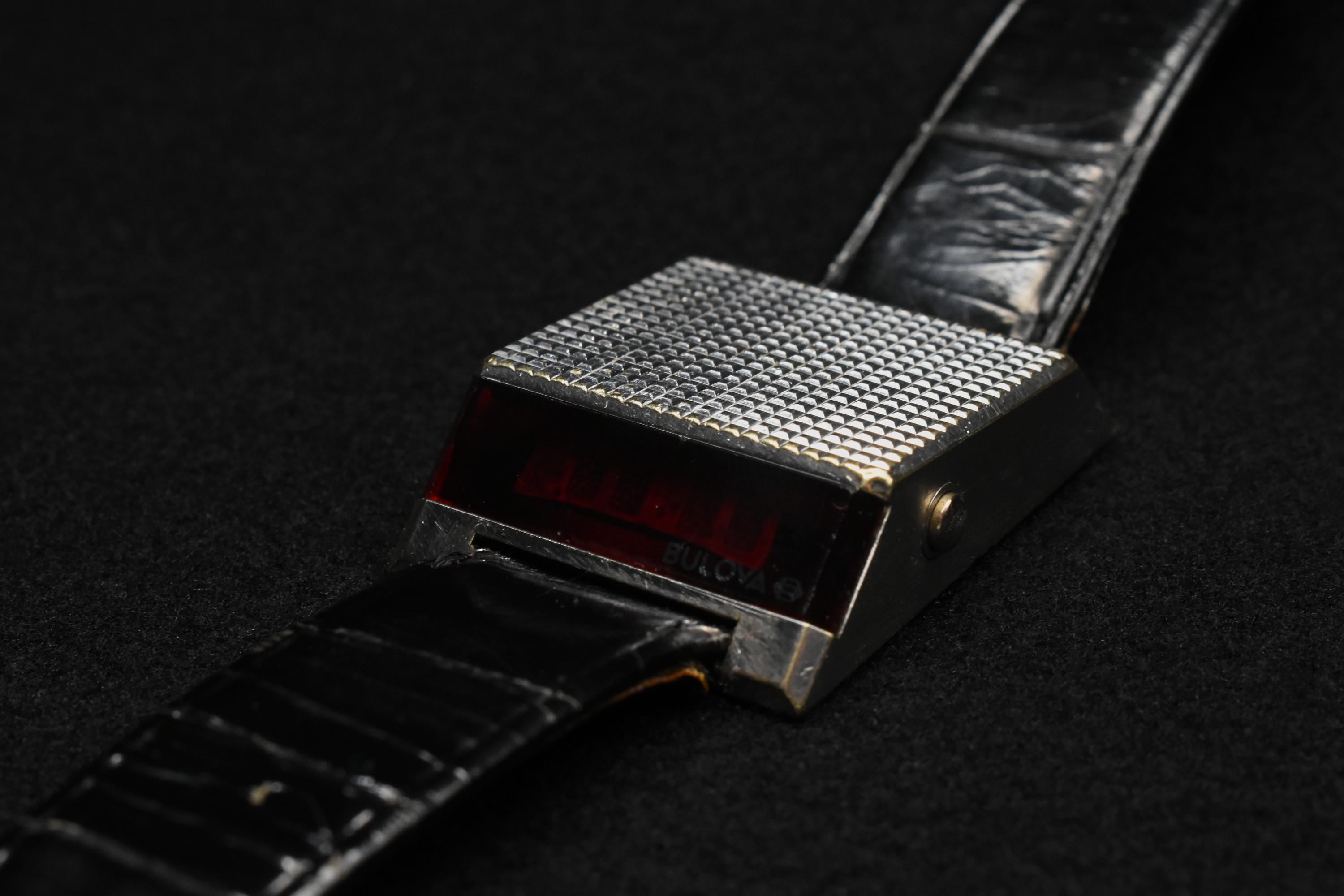
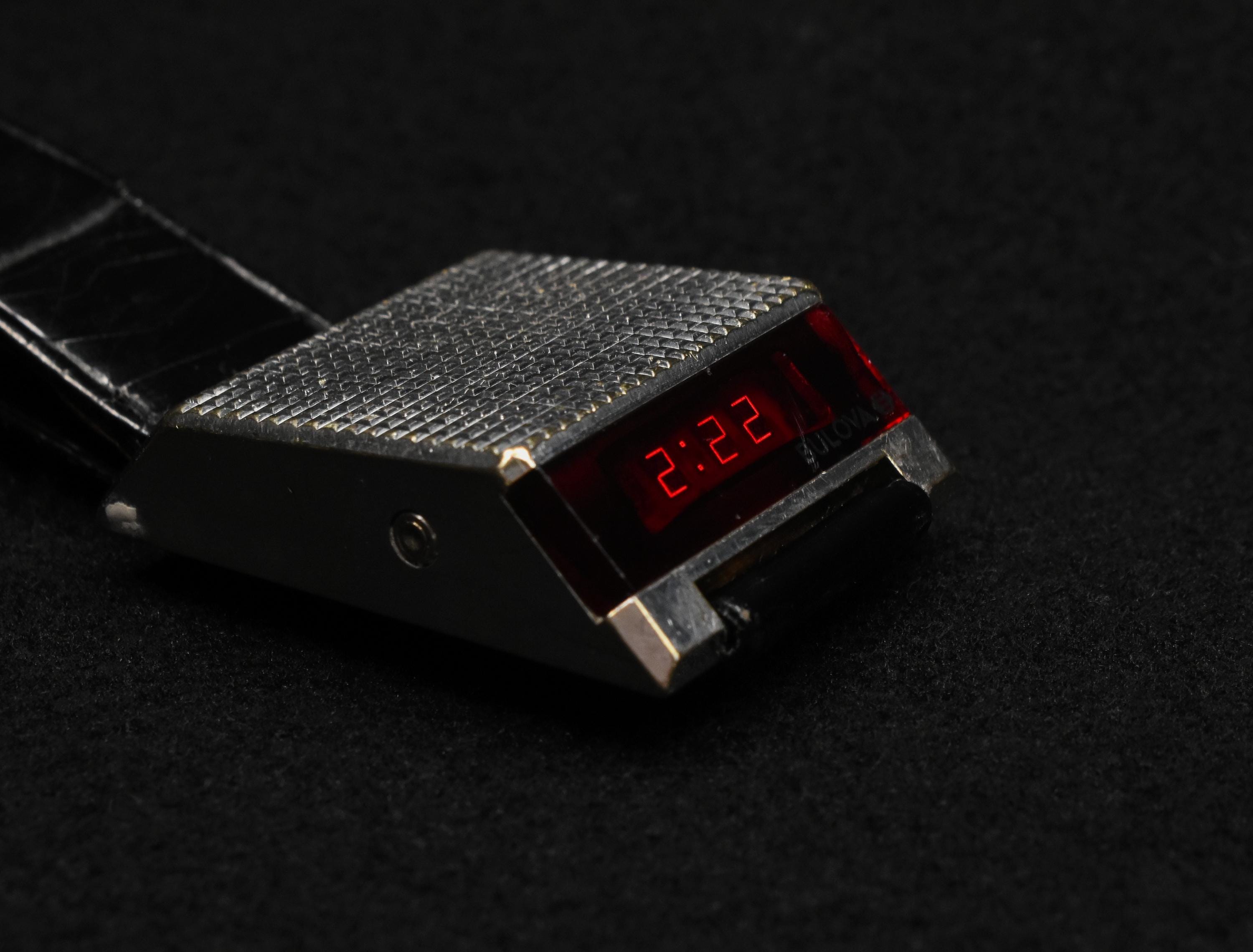
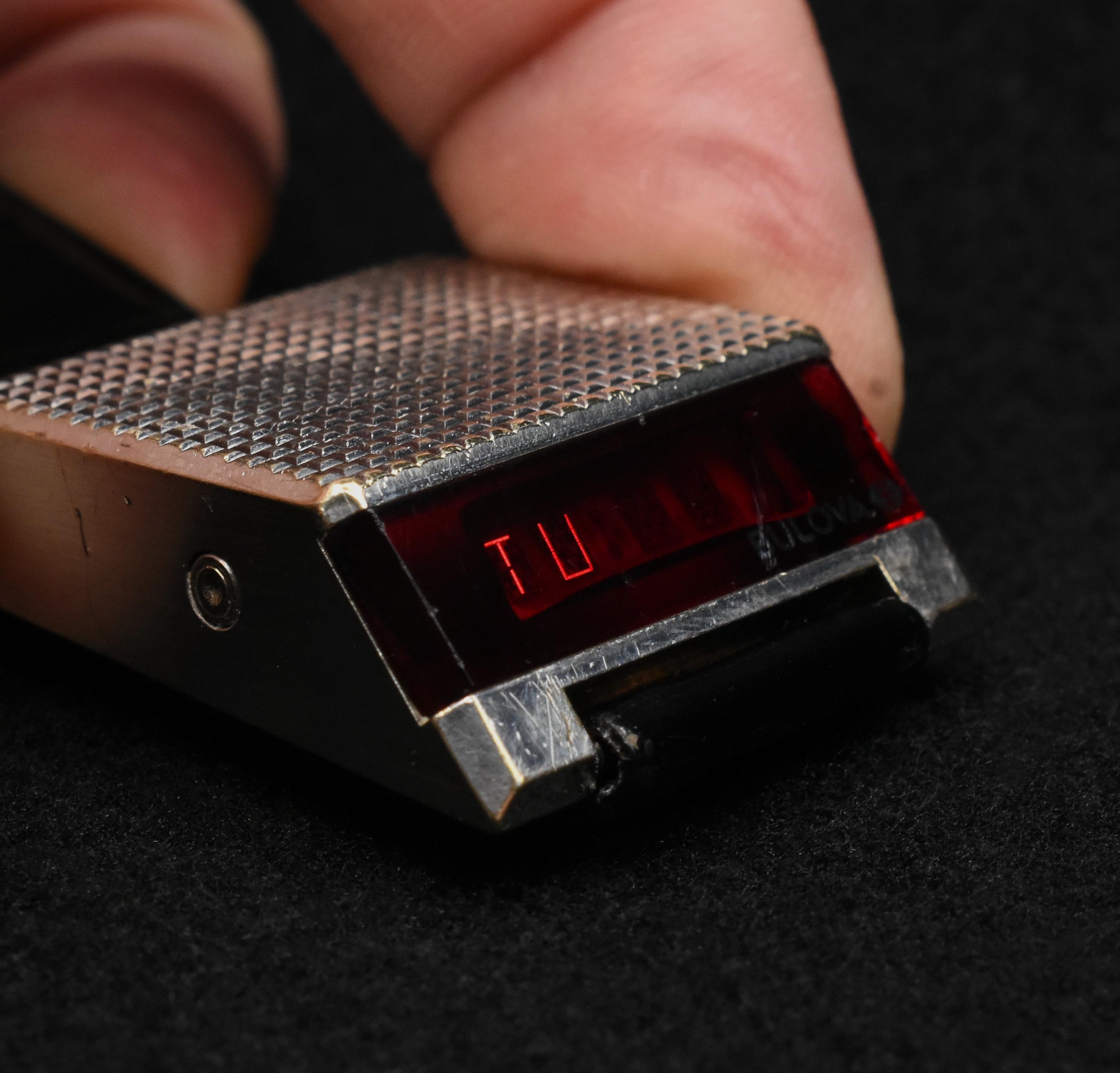
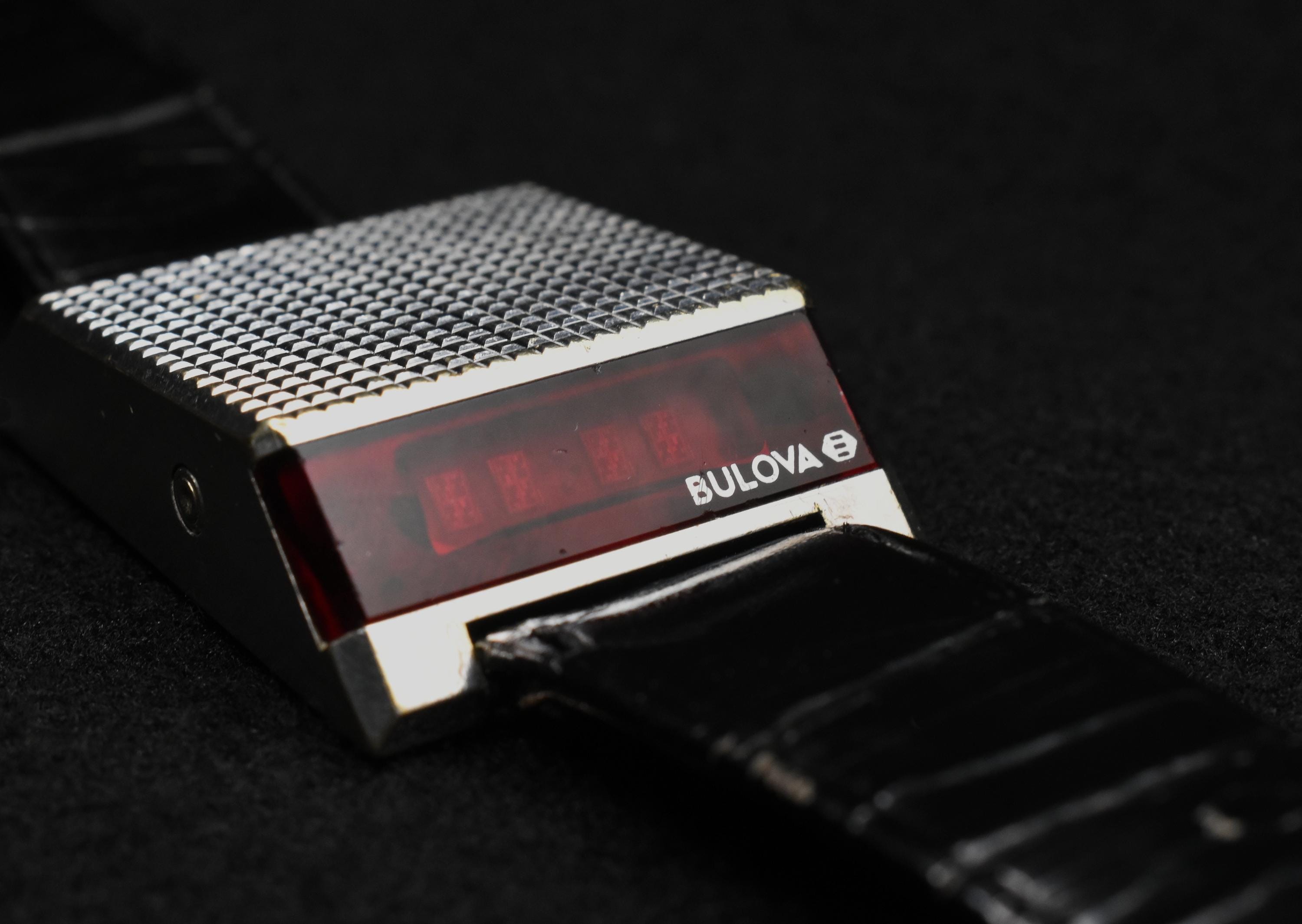
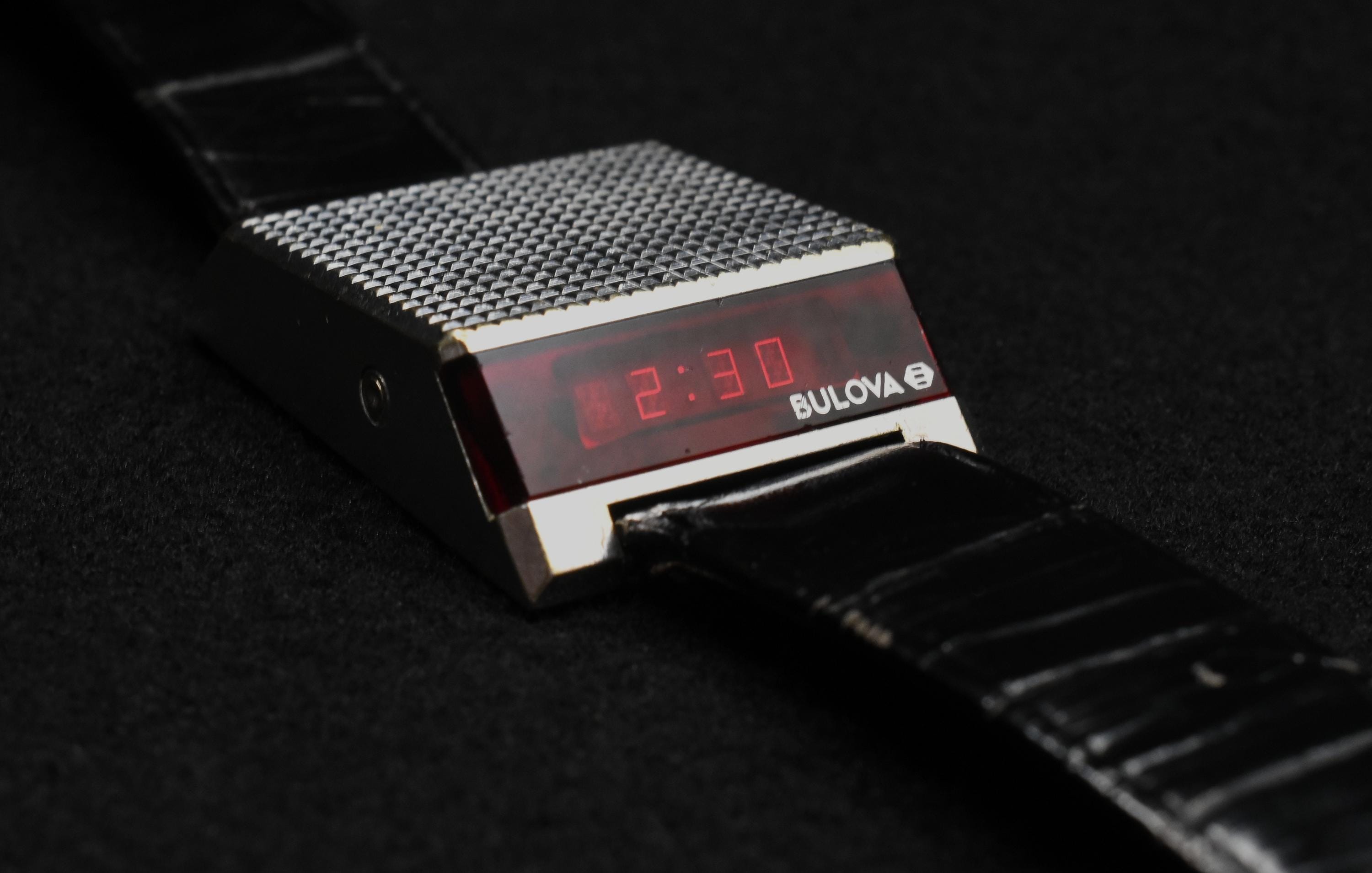
Their first massive technological evolution was with the Accutron. Bulova's "Accutron" watches, first sold in October 1960, used a 360 Hz tuning fork instead of a balance wheel as the timekeeping element. The tuning fork was powered by a one-transistor electronic oscillator circuit, so the Accutron qualifies as the second "electronic watch", following the Hamilton Electric released in 1957. Instead of the ticking sound made by mechanical watches, the Accutron had a faint, high-pitched hum that came from the vibrating tuning fork. A forerunner of modern quartz watches that also keep time with a vibrating resonator, the Accutron was guaranteed to be accurate to one minute per month, or two seconds per day, considerably better than mechanical watches of the time. The Accutron was widely advertised in the print media (including magazines like Life and Ebony) with the tagline "so revolutionary - so accurate, it's the first timepiece in history that's guaranteed 99.9977% accurate on your wrist." By 1973, over four MILLION Accutrons had been sold! It was truly a revolutionary step in watchmaking. However, the digital age was quickly approaching. Finally, the watch-wearing public was ushered into the future - the Computron. The early-70s, in Switzerland, is referred to as the "Quartz Crisis." The long-used physical nature of watch components was being replaced by electronic components. This overhaul was a shock to much of the watchmaking industry, but Bulova was not to be tripped-up. Bulova followed the lead of other watchmakers creating electronic quartz watches with his Accutron, but they took the first successful foray into all-digital display and design by introducing the Computron watch in 1976. The Computron was Bulova's first watch with an LED display and first fully-digital watch. The display was angled, reportedly, to make viewing the display easier for drivers, who needn't have removed their hands from the wheel to see the time. This was hampered slightly by the button that needed to be pressed to activate the display, but we can gloss over that. It was a design that had never been seen before - trapezoidal in shape, with a black strip that would awaken with vivid red LED numbers and letters to show the time, seconds, date and even day of the week. It was offered for several years, almost unchanged, and would secure itself as an important step in horological history. It was such a roaring success that, in 2000, Bulova re-released the design. Bulova continued their digital development through the 80s and 90s, but never abandoned their esthetically- and technologically-superior roots. Without a doubt, Bulova is one of the most influential and developmentally significant timekeeping manufacturers in history.
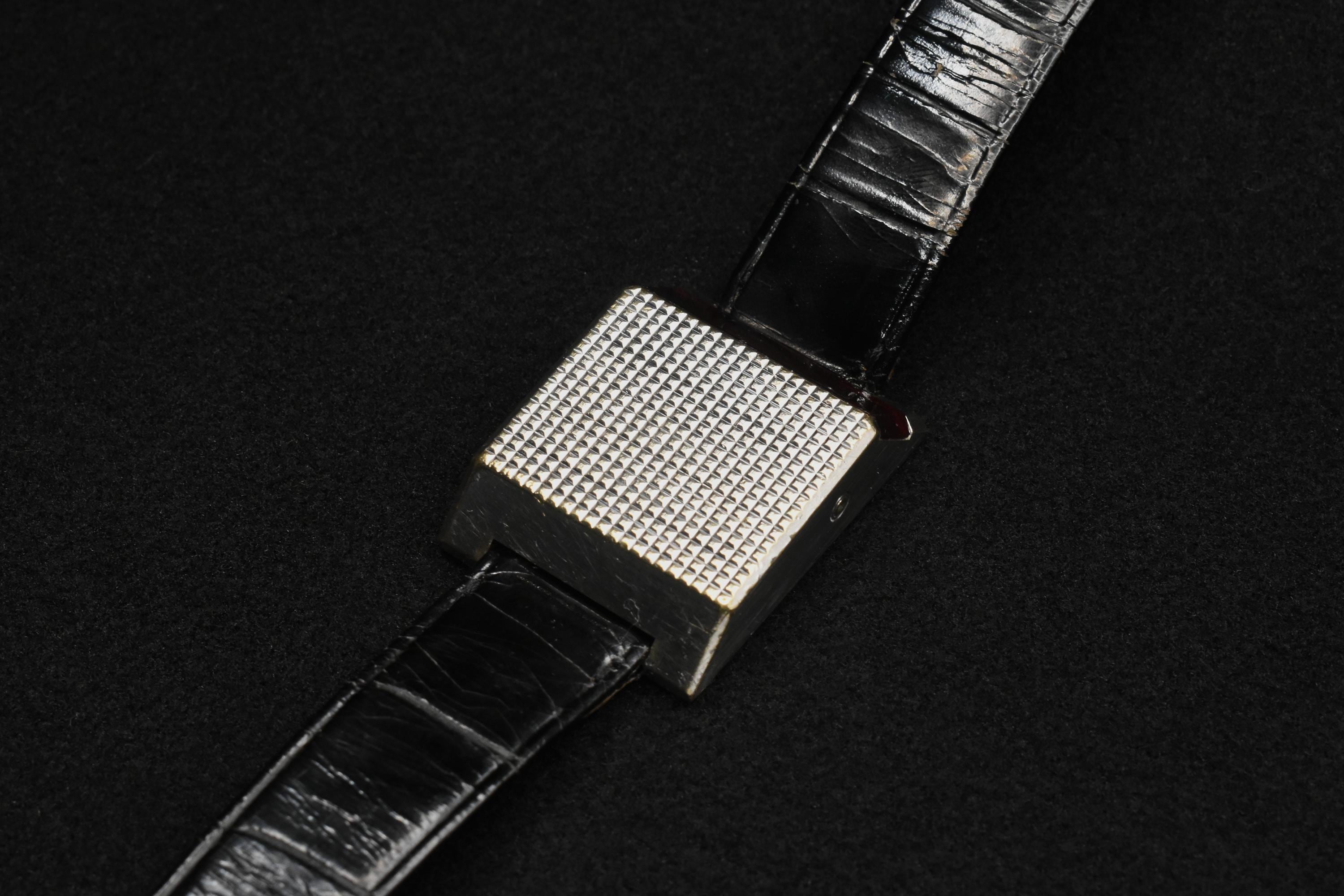
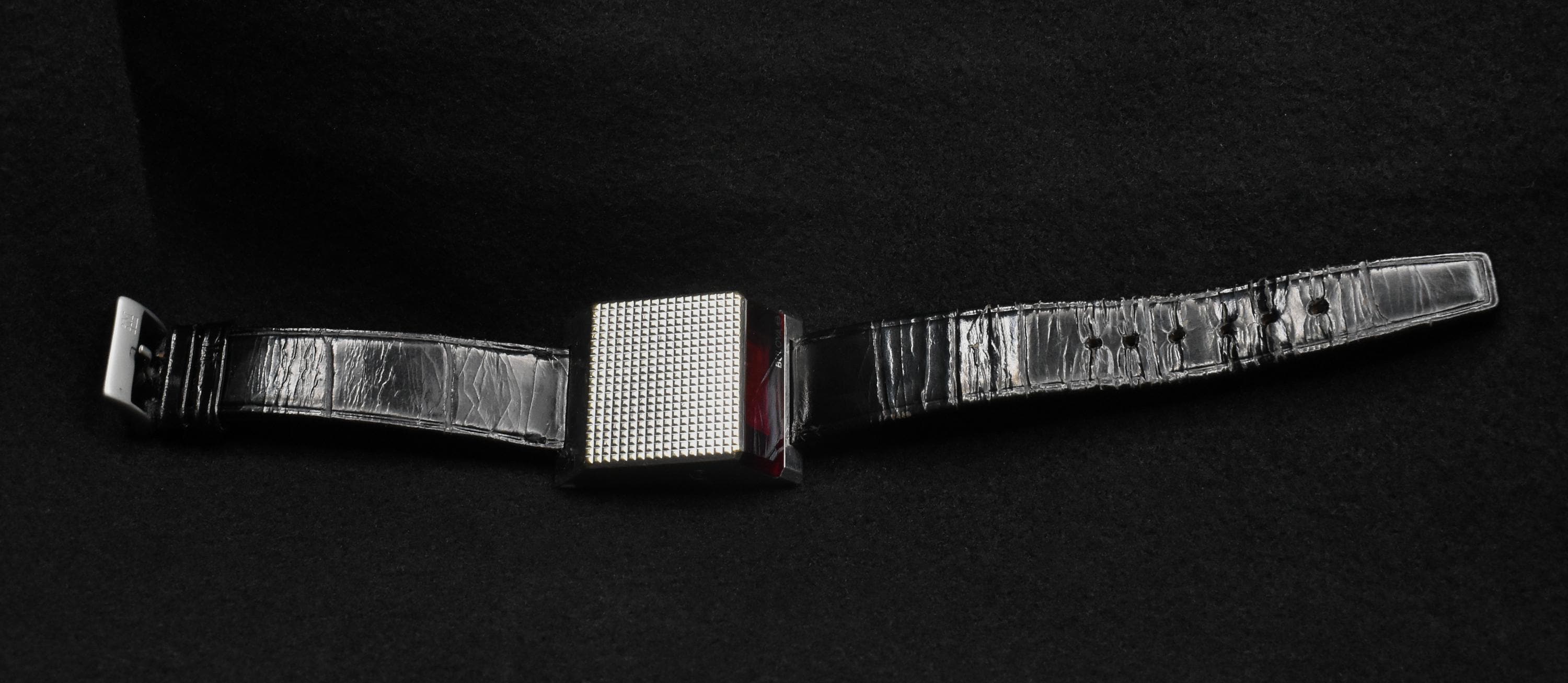
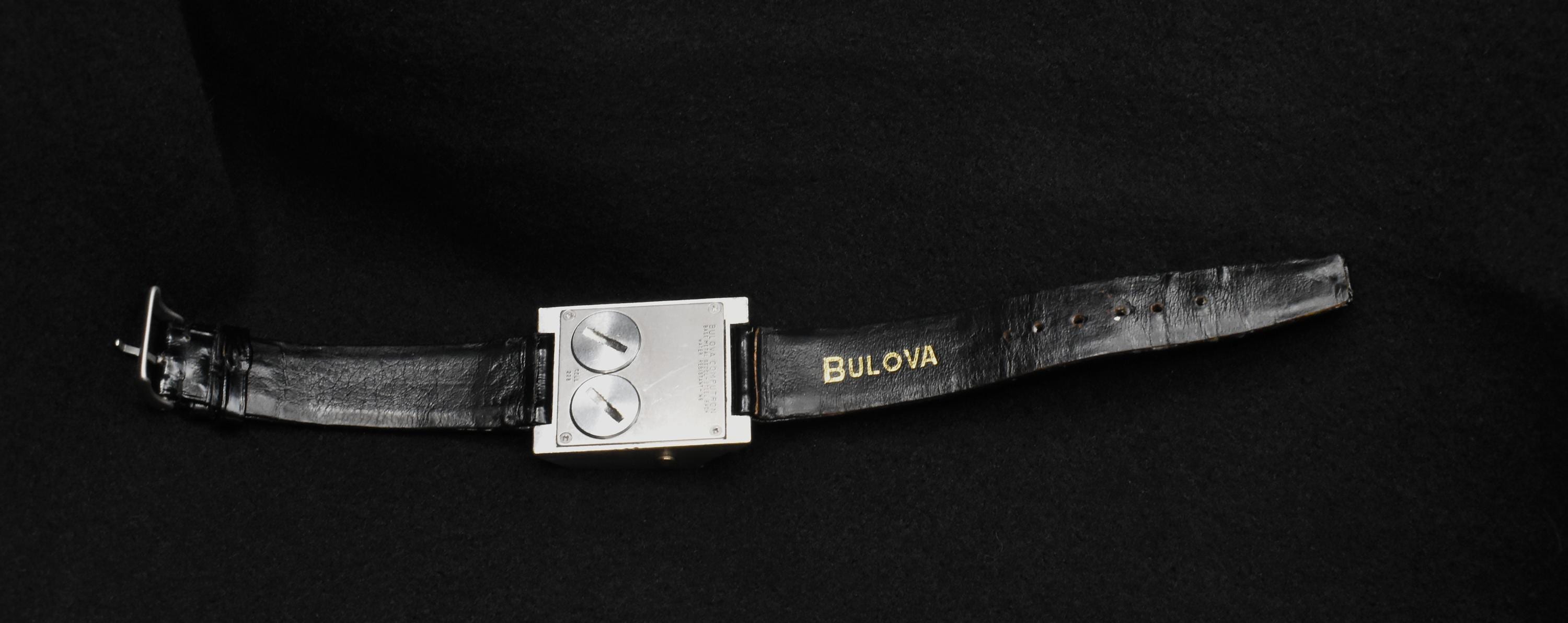
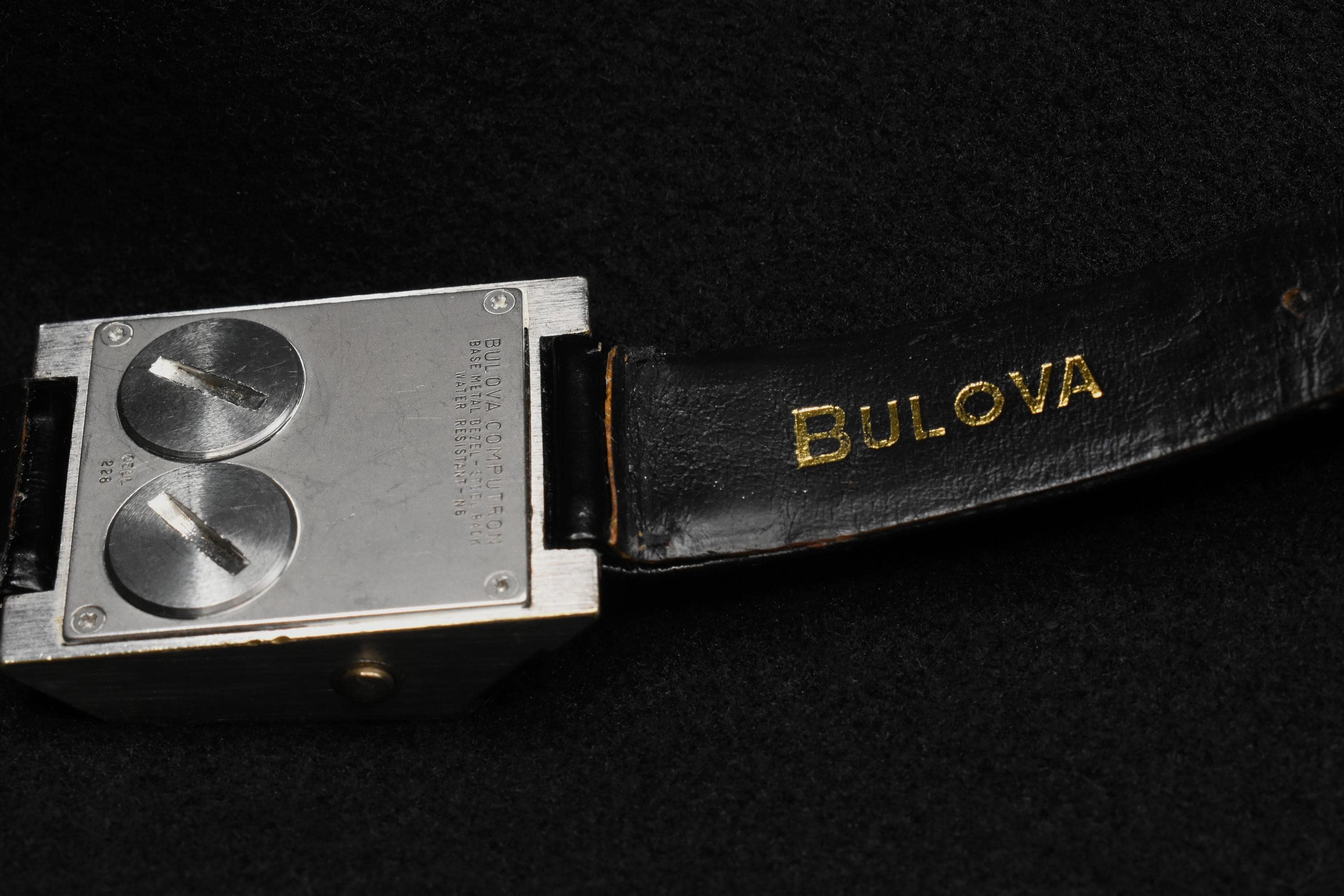
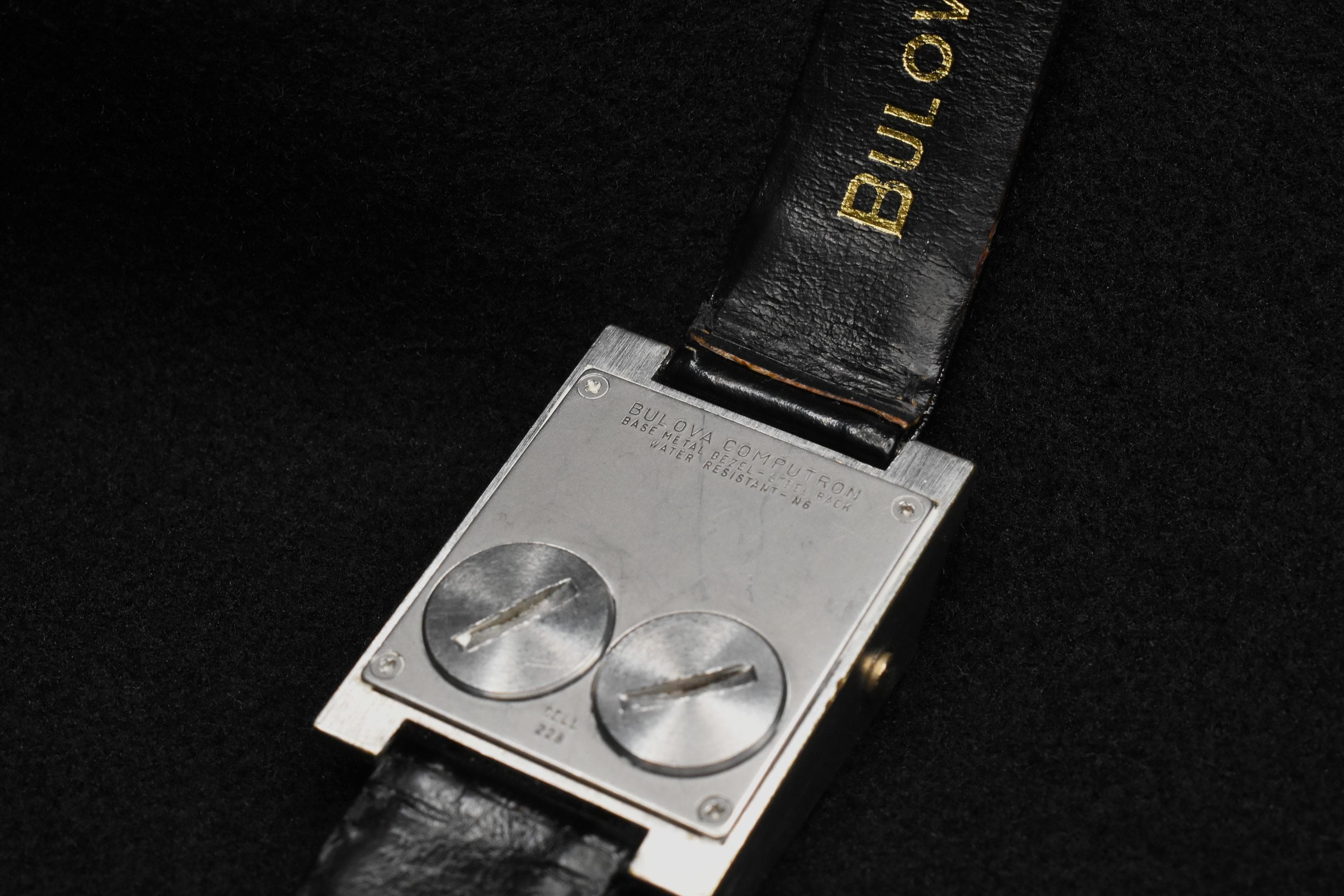
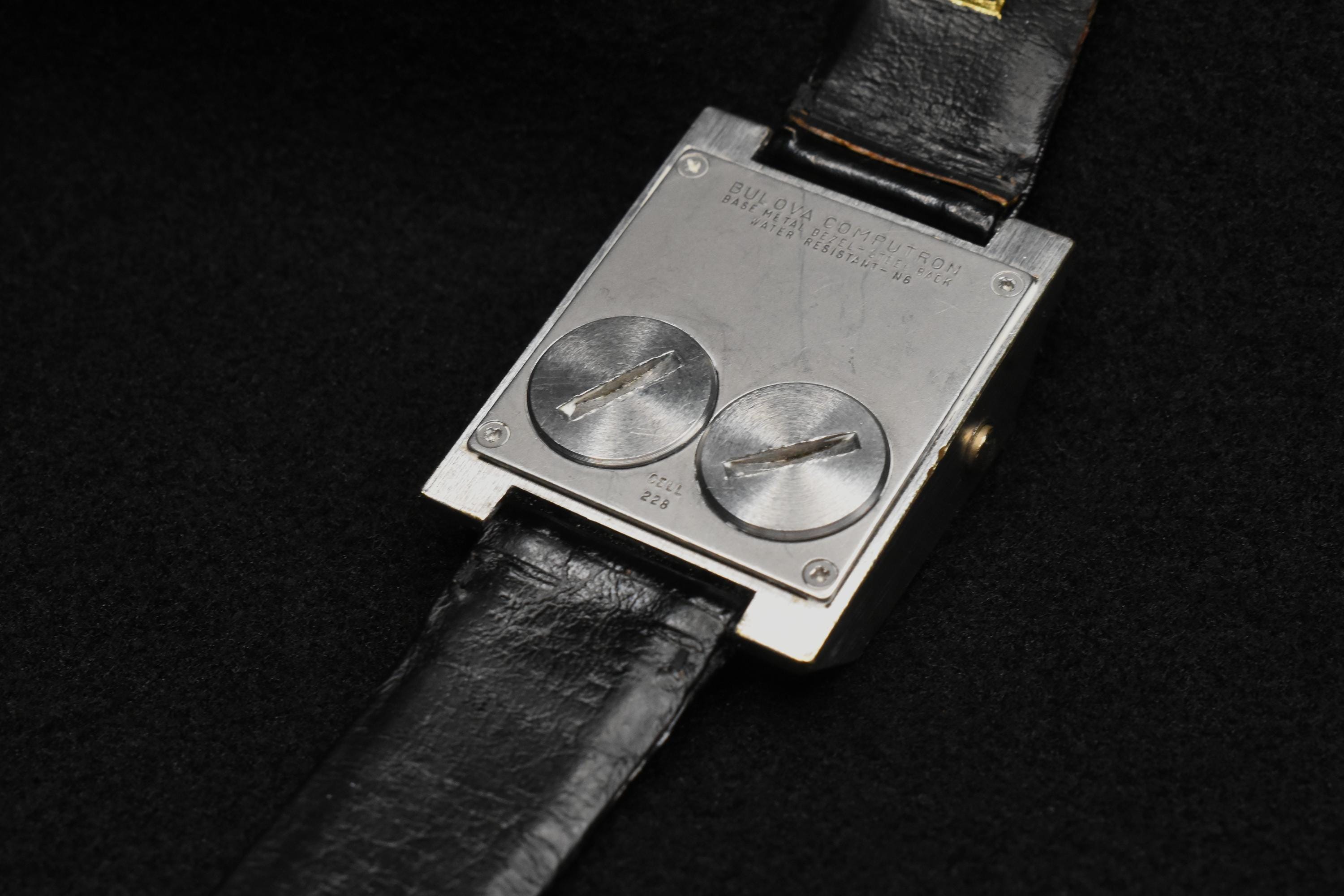
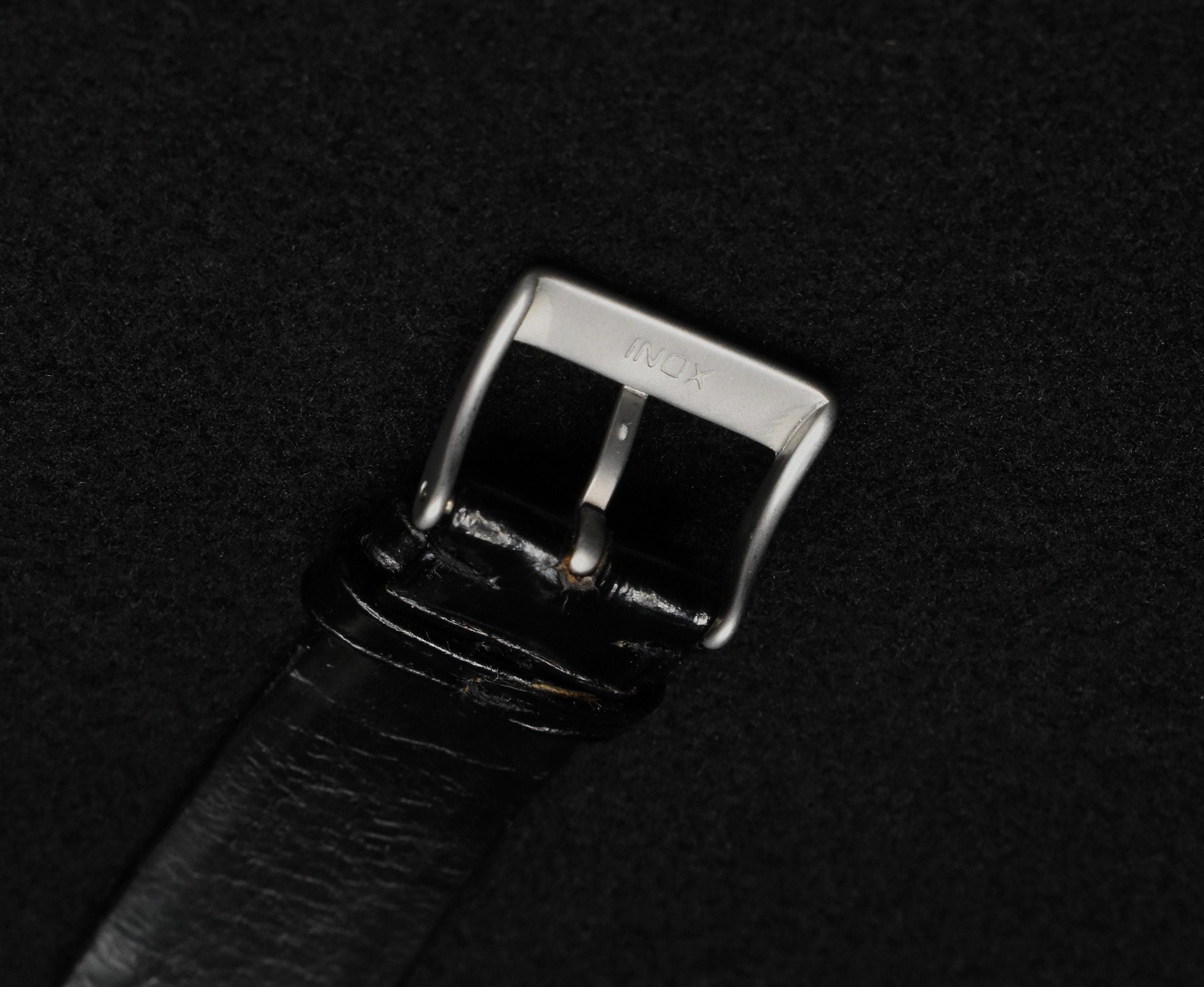
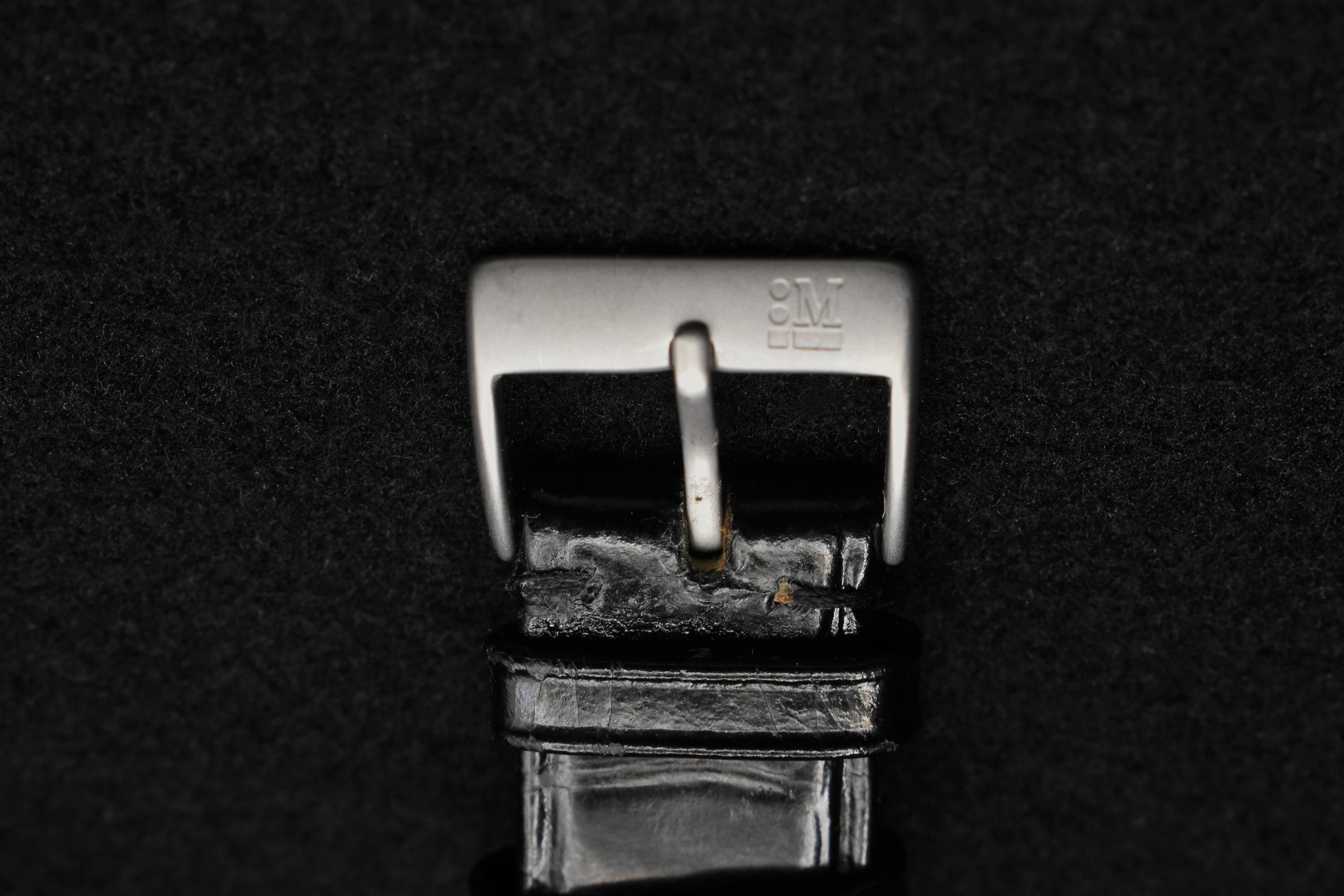
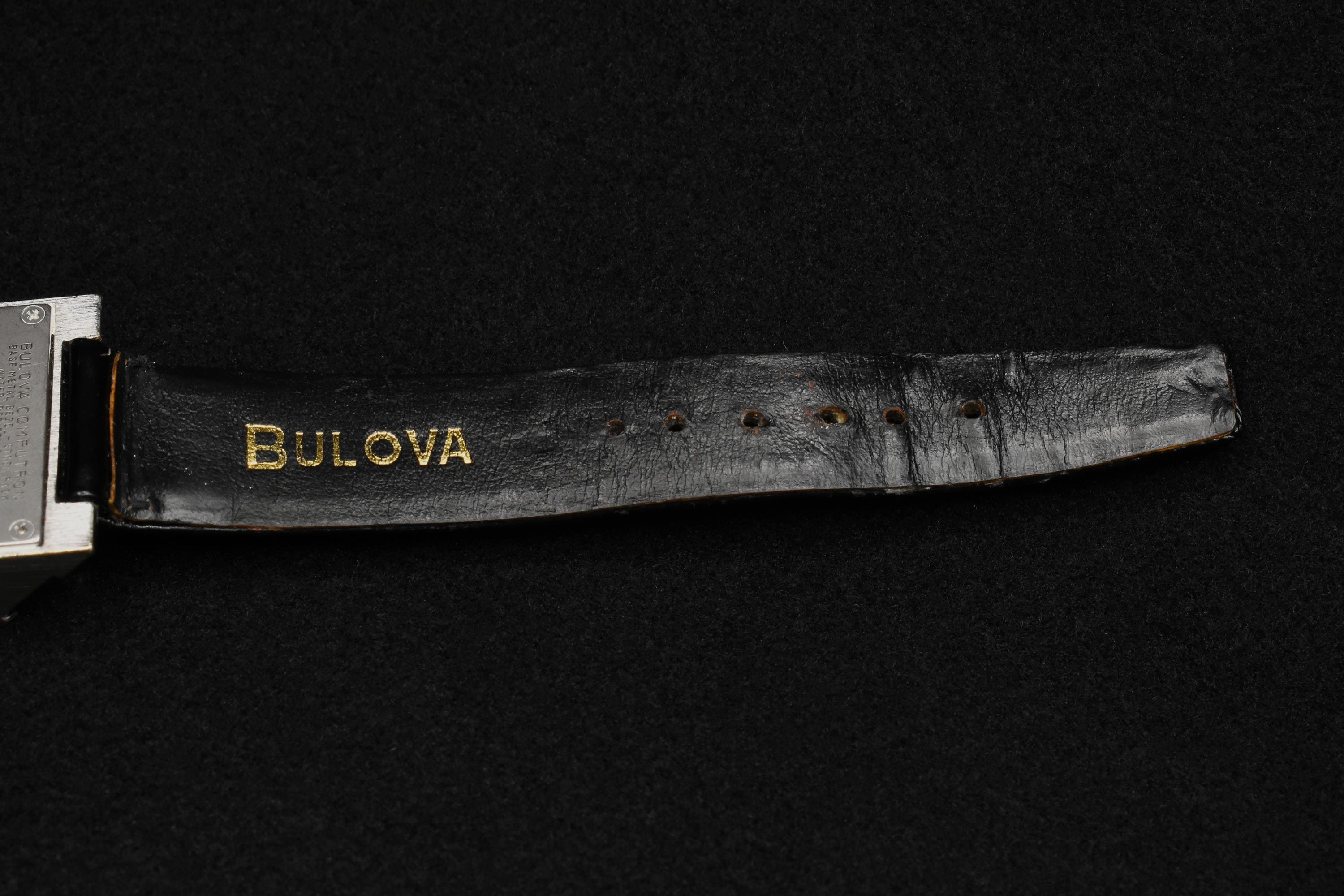
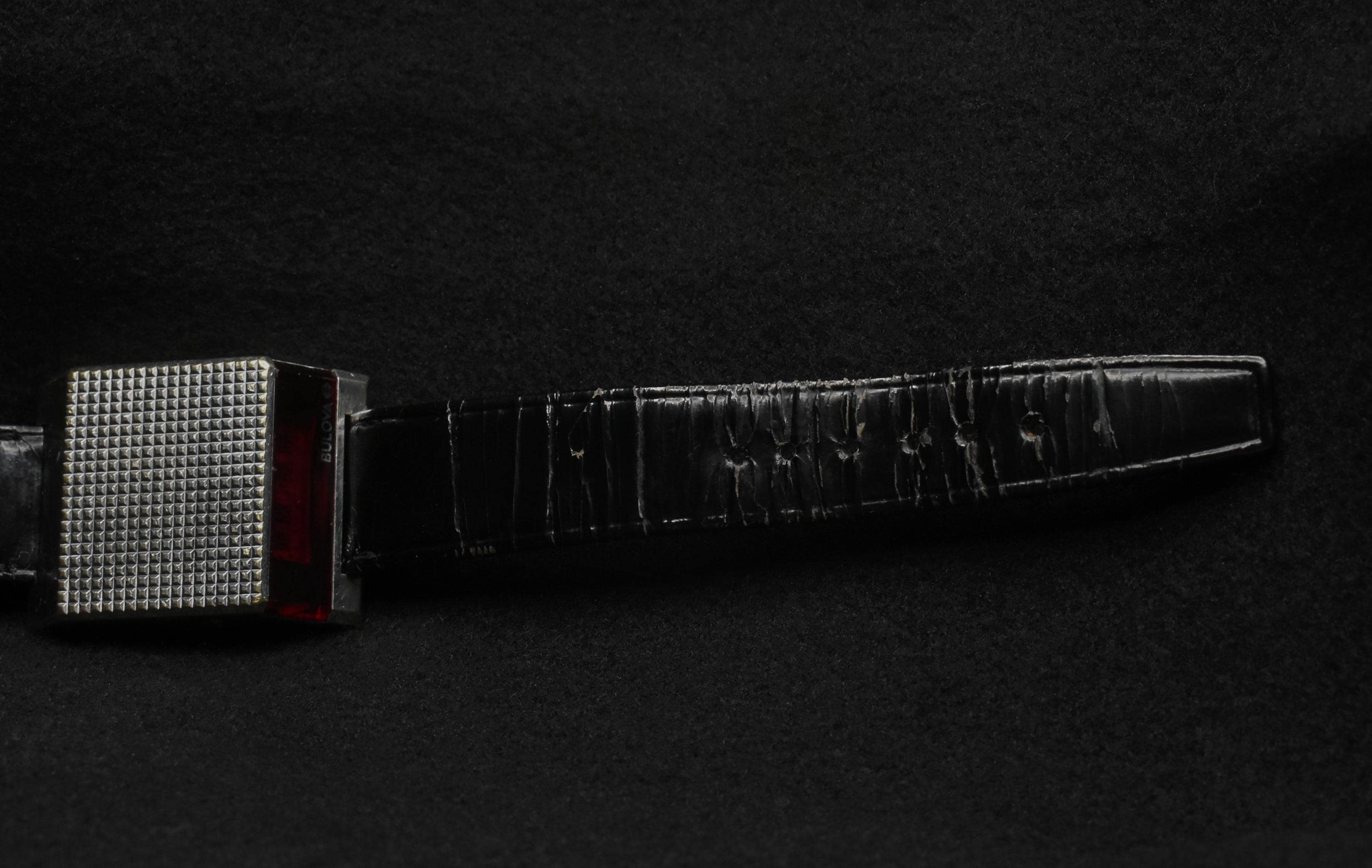
Our Computron is one of the first - the original release model from 1976. The button can be pressed to show the time, held to show the seconds, or repeatedly pressed to show the date and day of the week. It works beautifully and is structurally sound and complete. It comes with an original, leather Bulova strap, offering an elegant alternative to the often-found steel strap. Although slightly worse for wear, it is solid, complete and, as the watch, appears worse in photos than in-person.
As for condition of the watch itself, it's not perfect. There are small scratches and blemishes, if one looks closely (I've tried my best to ensure all those blemishes are visible in the photos, but they are far less evident, in-person). The LED display, however, is perfect - all numbers and letters showing beautifully. The internals are in equally wonderful condition and the batteries have just been replaced to ensure proper timekeeping for years to come.
As always, should you have any questions or comments, I'm always happy to return messages promptly.
Thank you for visiting C&K! -
Shipping & Policies
Shipping from Canada
Processing time
1-2 business days
Customs and import taxes
Buyers are responsible for any customs and import taxes that may apply. I'm not responsible for delays due to customs.
Payment Options
Returns & Exchanges
I gladly accept returns and exchanges
Just contact me within: 3 days of delivery
Ship items back to me within: 7 days of delivery
I don't accept cancellations
But please contact me if you have any problems with your order.
The following items can't be returned or exchanged
Because of the nature of these items, unless they arrive damaged or defective, I can't accept returns for:
- Custom or personalized orders
- Perishable products (like food or flowers)
- Digital downloads
- Intimate items (for health/hygiene reasons)
Conditions of return
Buyers are responsible for return shipping costs. If the item is not returned in its original condition, the buyer is responsible for any loss in value.
Frequently Asked Questions
Can I combine delivery on multiple items?
Of course! We'd be happy to assist. Just send us a quick message and we'll make sure to combine your items into a single package to reduce the shipping costs.
Related Products