Antiques
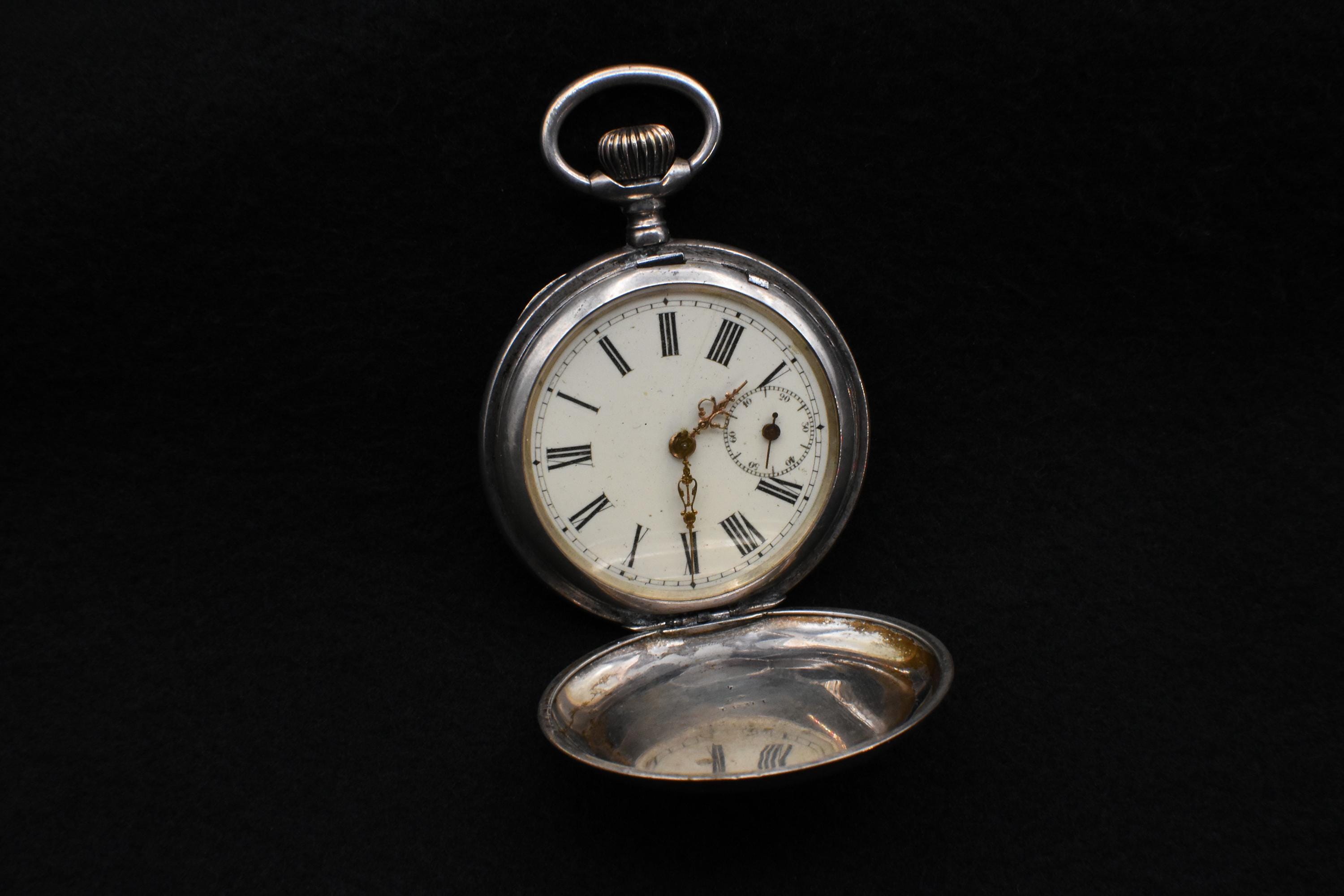
Antique Pocket Watch - A beautiful mystery...
$110.40
-
DetailsAntique pocket watches have grown increasingly more popular, in recent years. I, too, have been more and more attracted to these tiny marvels of early industrial engineering. Their construction, their intricate details... they seem to call to those who love them. They are not just symbolic of the beauty of the Victorian age, they are indicative of an instrumental evolution of our society. Mankind was evolving from a people of agrarian pursuits among the countryside of rural landscapes, to one of industry and manufacturing meccas, sprouting in the increasingly sooty cities of our world. The industrial revolution was in full-swing by the mid-1800s and so was the inexorable march to mechanization of daily lives. Among the most important developments of this new life was the pocket watch. Although invented in the 1500s, they didn't become fashionable for the well-to-do gentleman until well into the 18th century. Even then, they were such an item of luxury that one would scarcely find it swinging from the pocket of the working class. However, by the mid-19th century, technology and manufacturing practices were beginning to make these luxurious accessories far more affordable. No longer were they crafted strictly of silver and gold - they were being made of brass and even nickel-plated lesser metals. They were no longer made of hand-crafted parts by meticulous-minded silver and goldsmiths, but were being stamped and ground from machines in factories. In fact, towards the end of the 19th century, they were even made of interchangeable parts for the first time. This would make repair and servicing infinitely more accessible and cheaper, for the modern layman. As prices fell, their popularity skyrocketed. You'd be hard-pressed to find a single man without his own pocket watch by the turn of the 20th century. By the 1910s, these marvels were even being miniaturized enough to fit on one's wrist... and we then enter a whole new chapter of watchmaking. For now, we will remain firmly in the realm of the pocket watch.
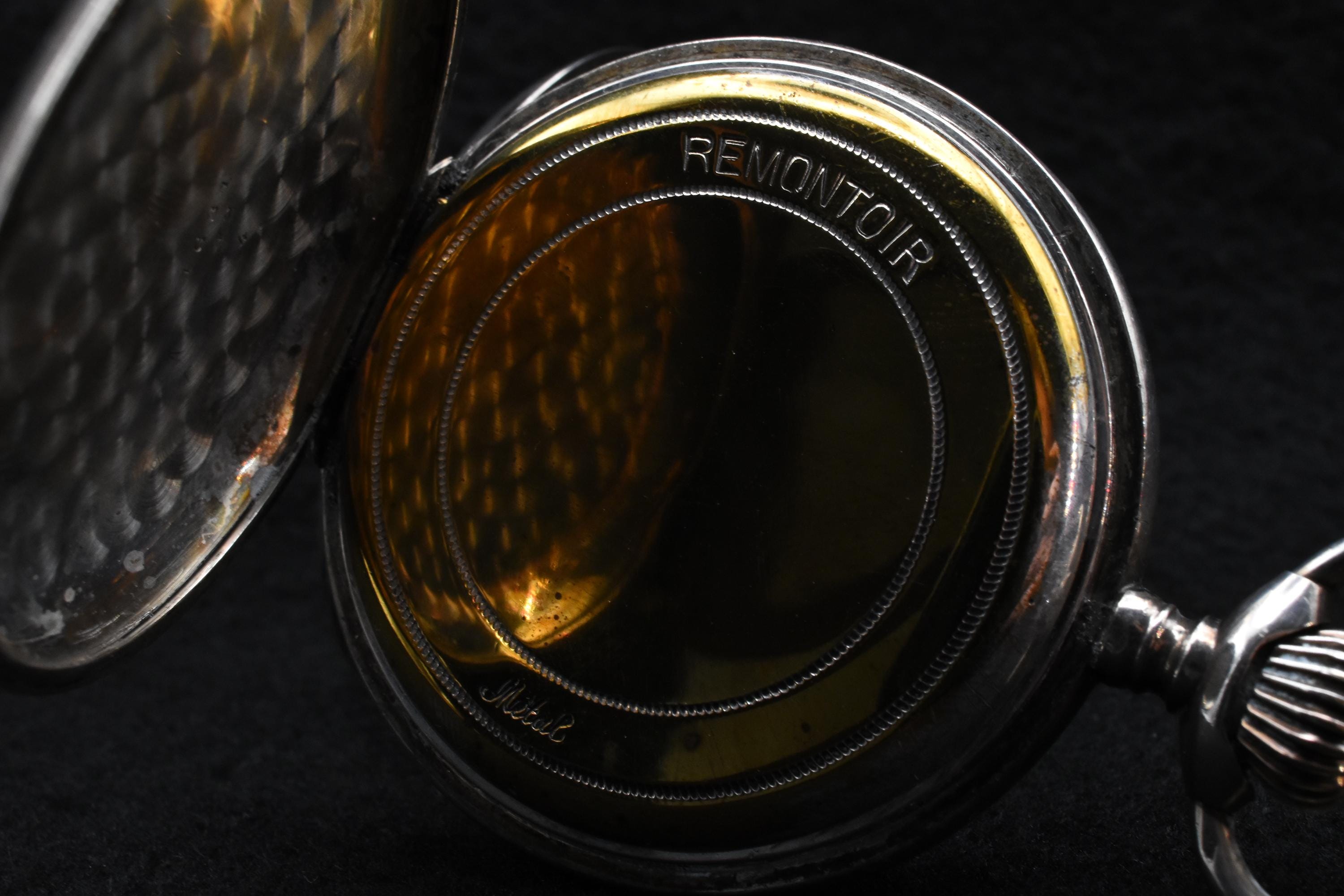
We should acknowledge a technological achievement, before discussing our piece - the word "Remontoir." The term comes from the French "remonter" (to wind) and signifies a move toward modernized, more convenient daily winding, without the need for a cumbersome and frequently-misplaced key. The Remontoir pocket watch was invented in 1842 by Adrien Philippe and gained popularity from 1870, onward. The winding button, crown or stem was usually placed on the 12-hour indicator, but later, in the 20th century, on the 3rd hour. We can see this design principle evolved to be included on the wrist watch. To this end, we can begin discussing our watch...
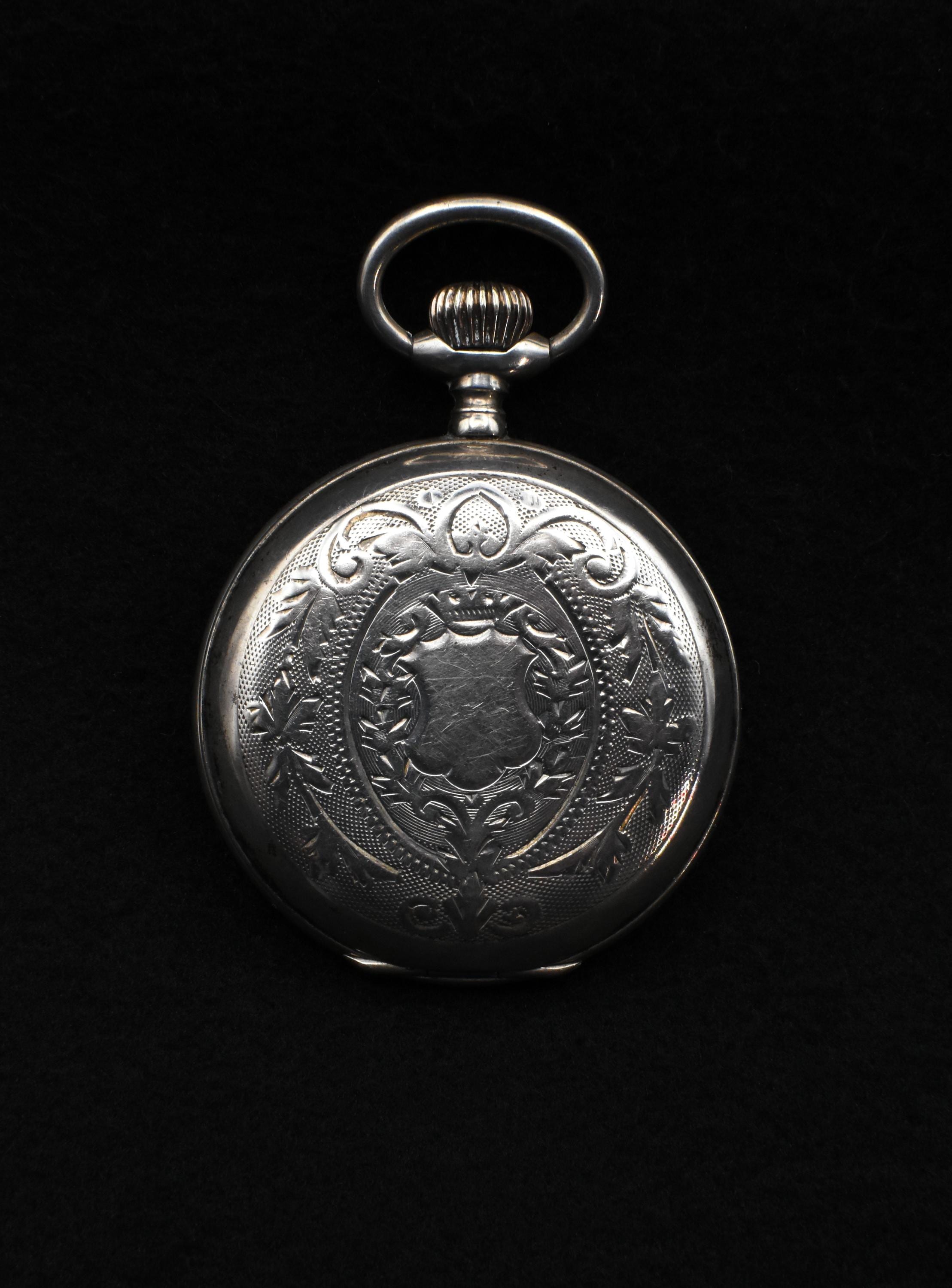
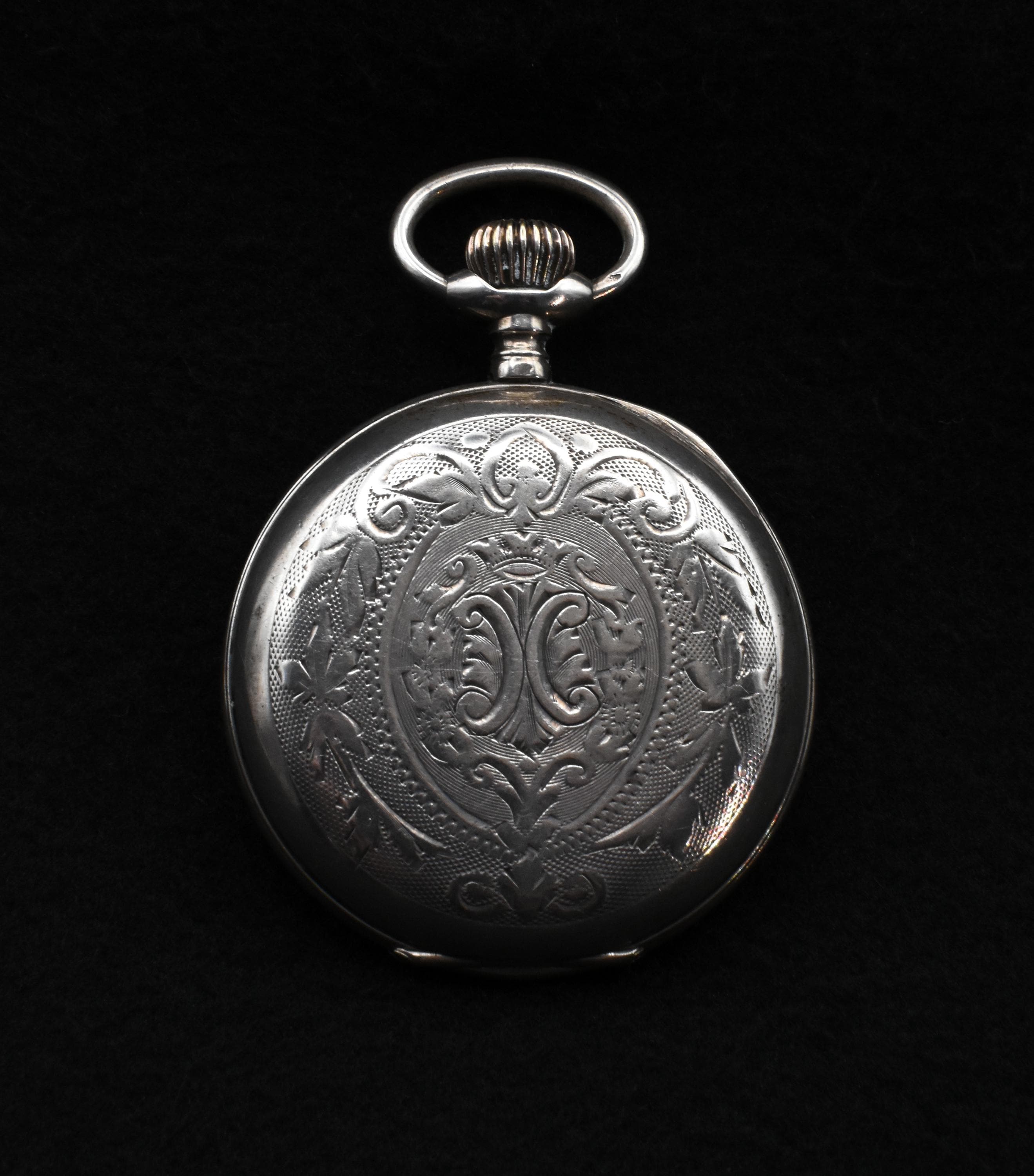
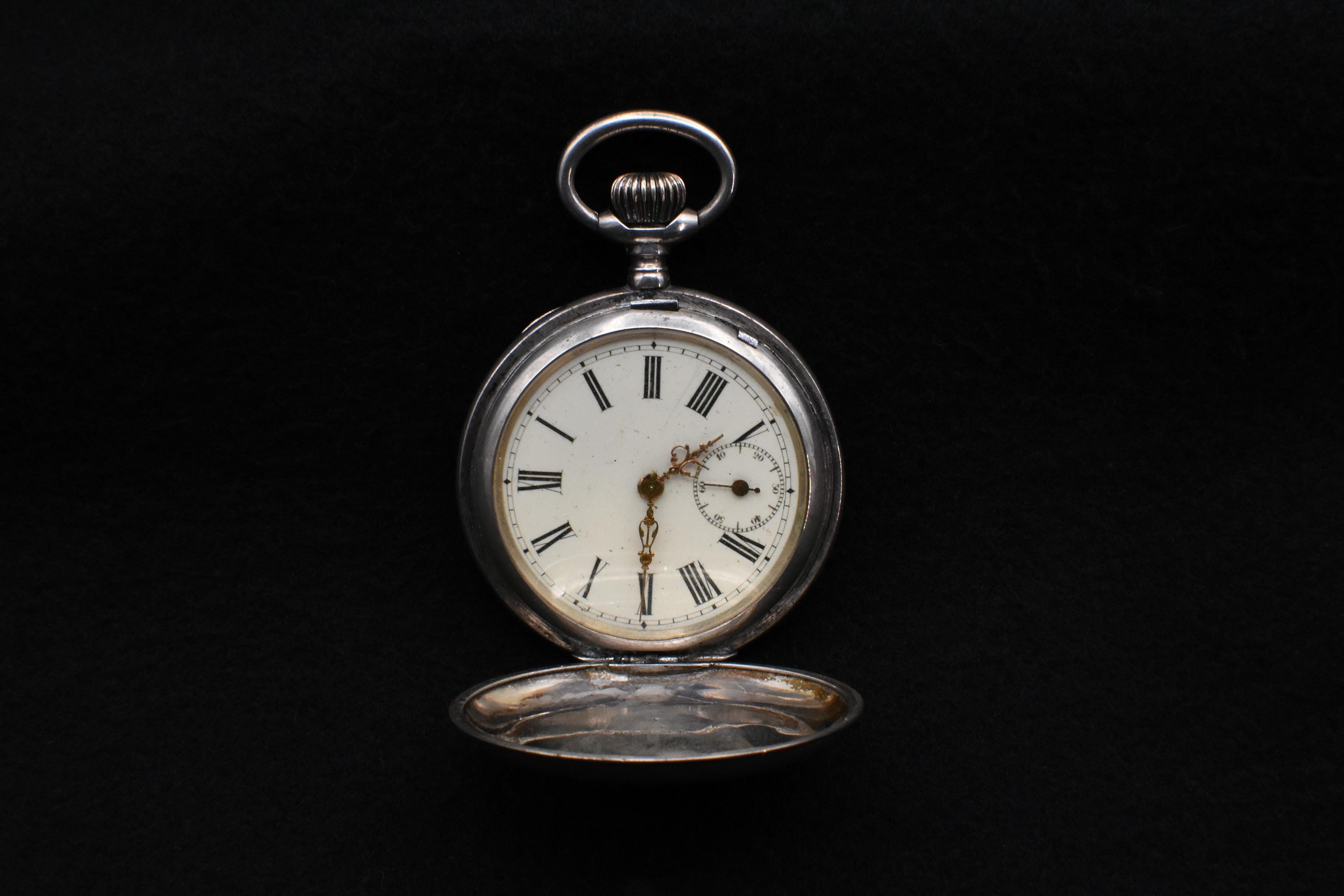
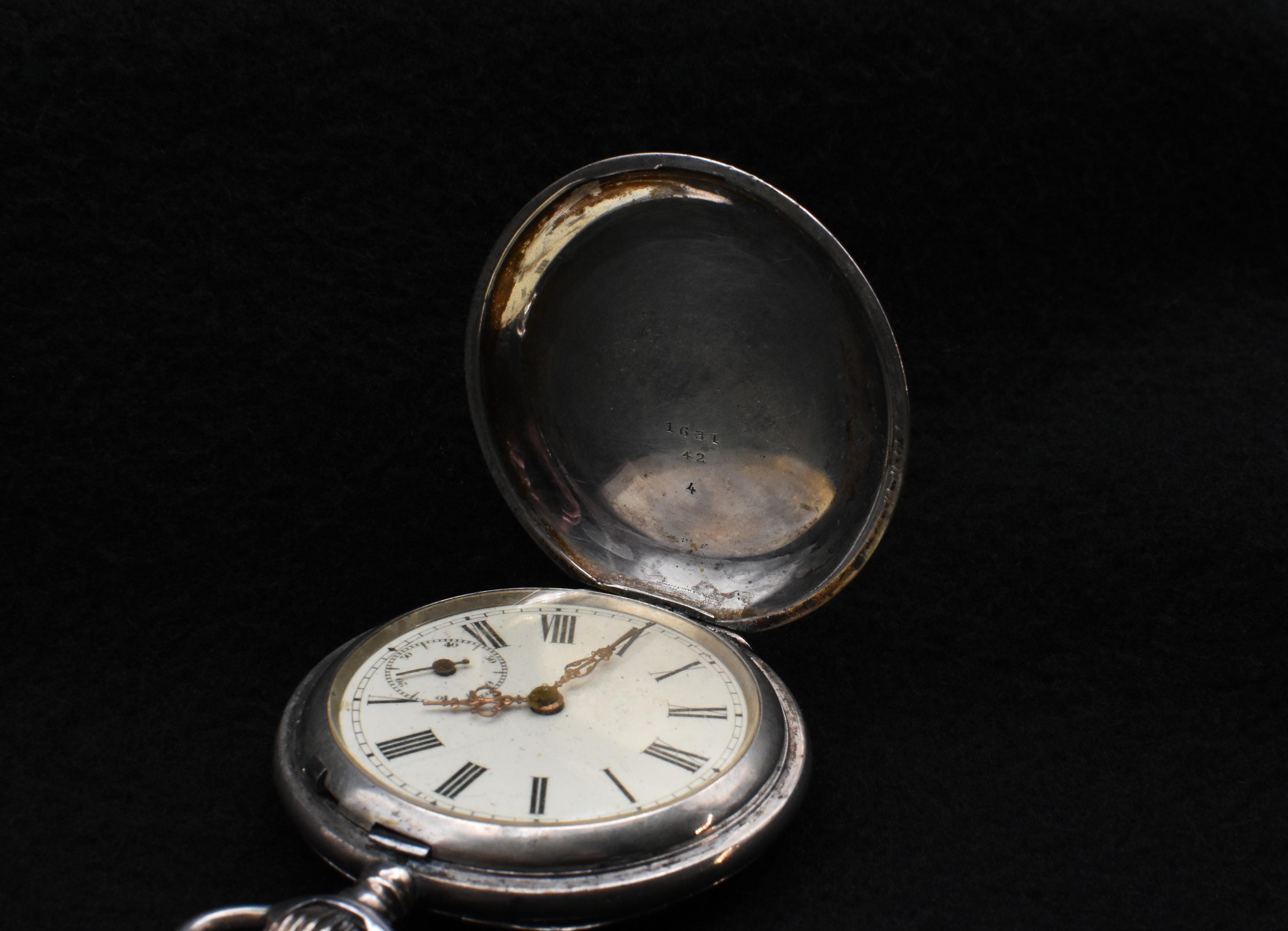
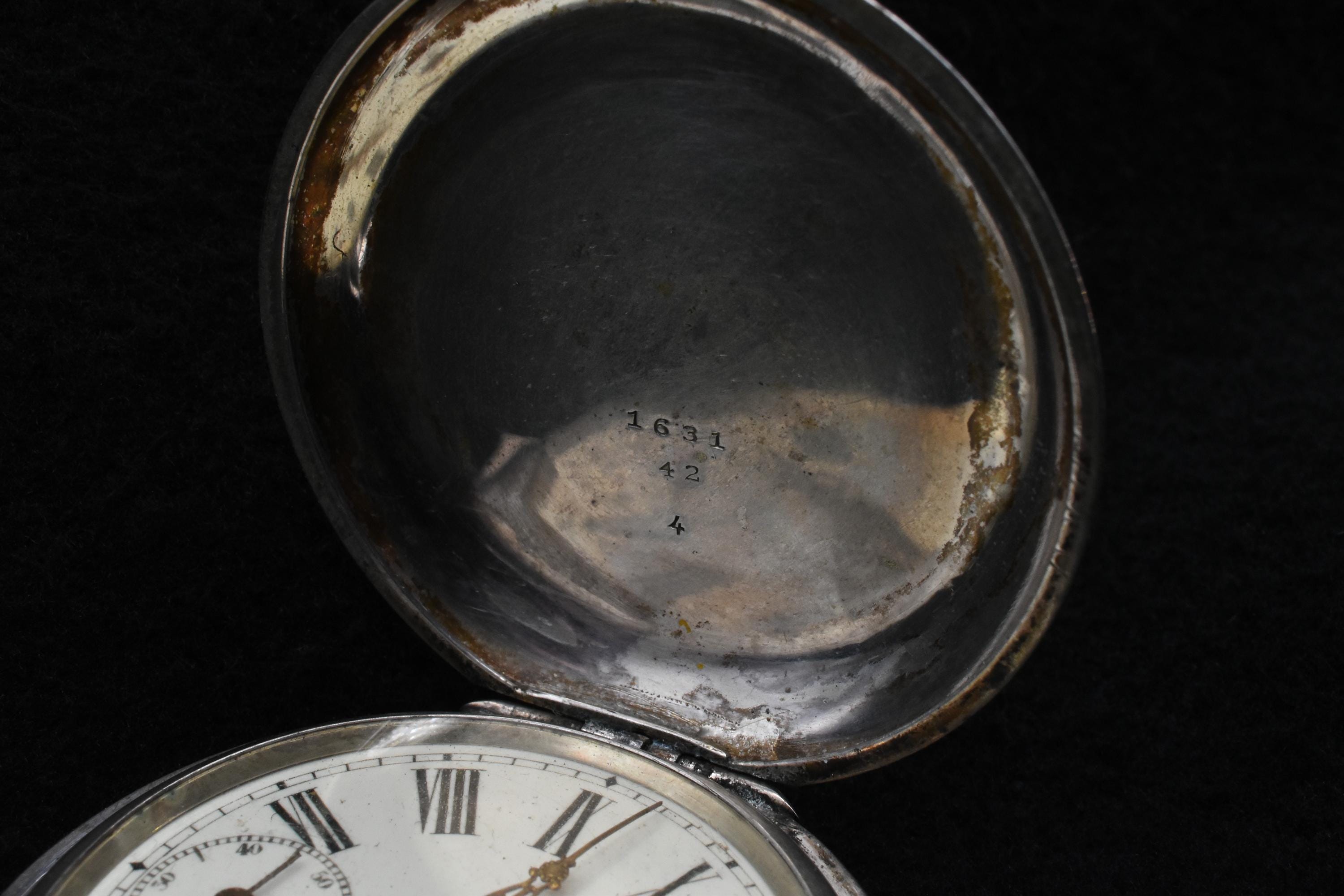
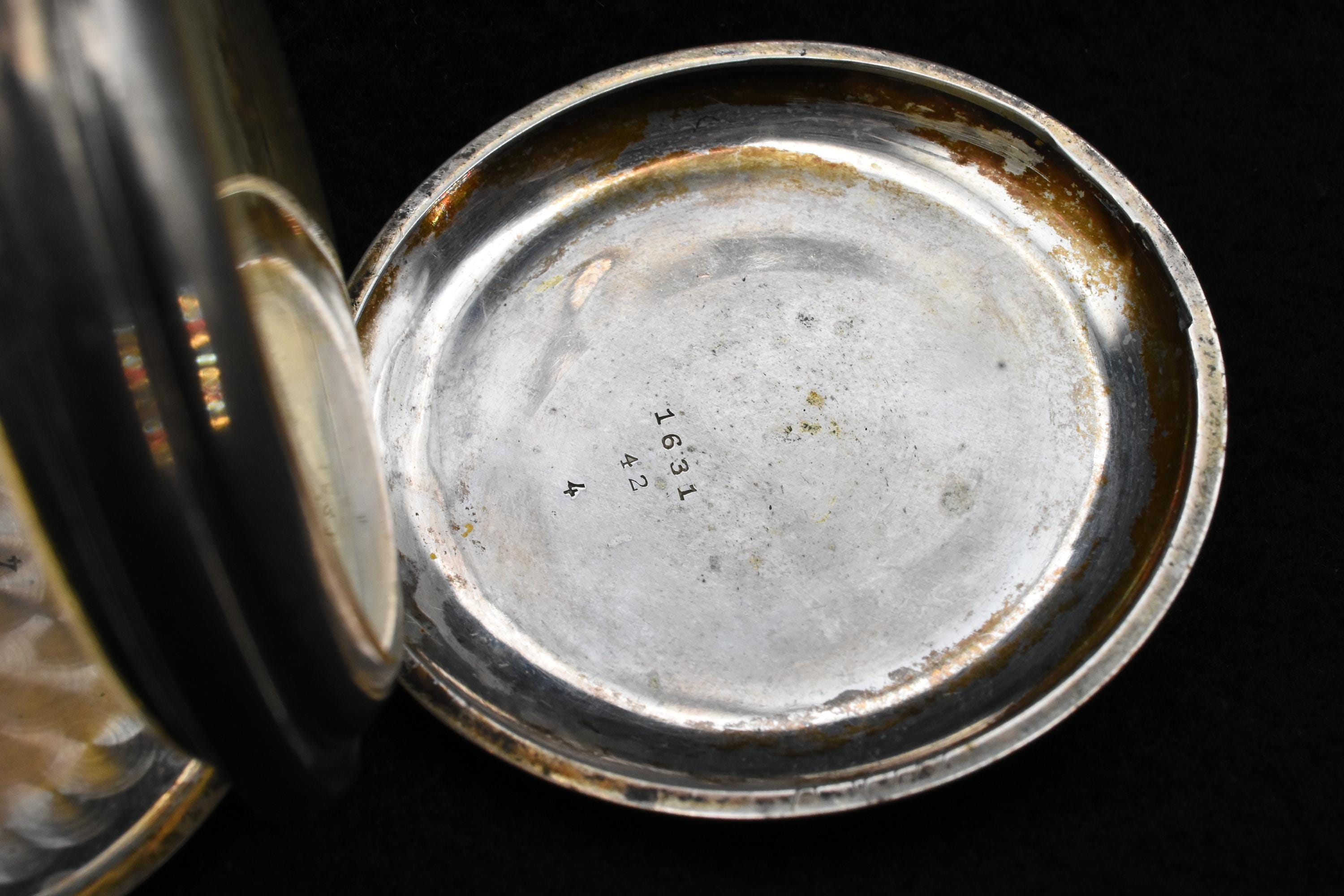
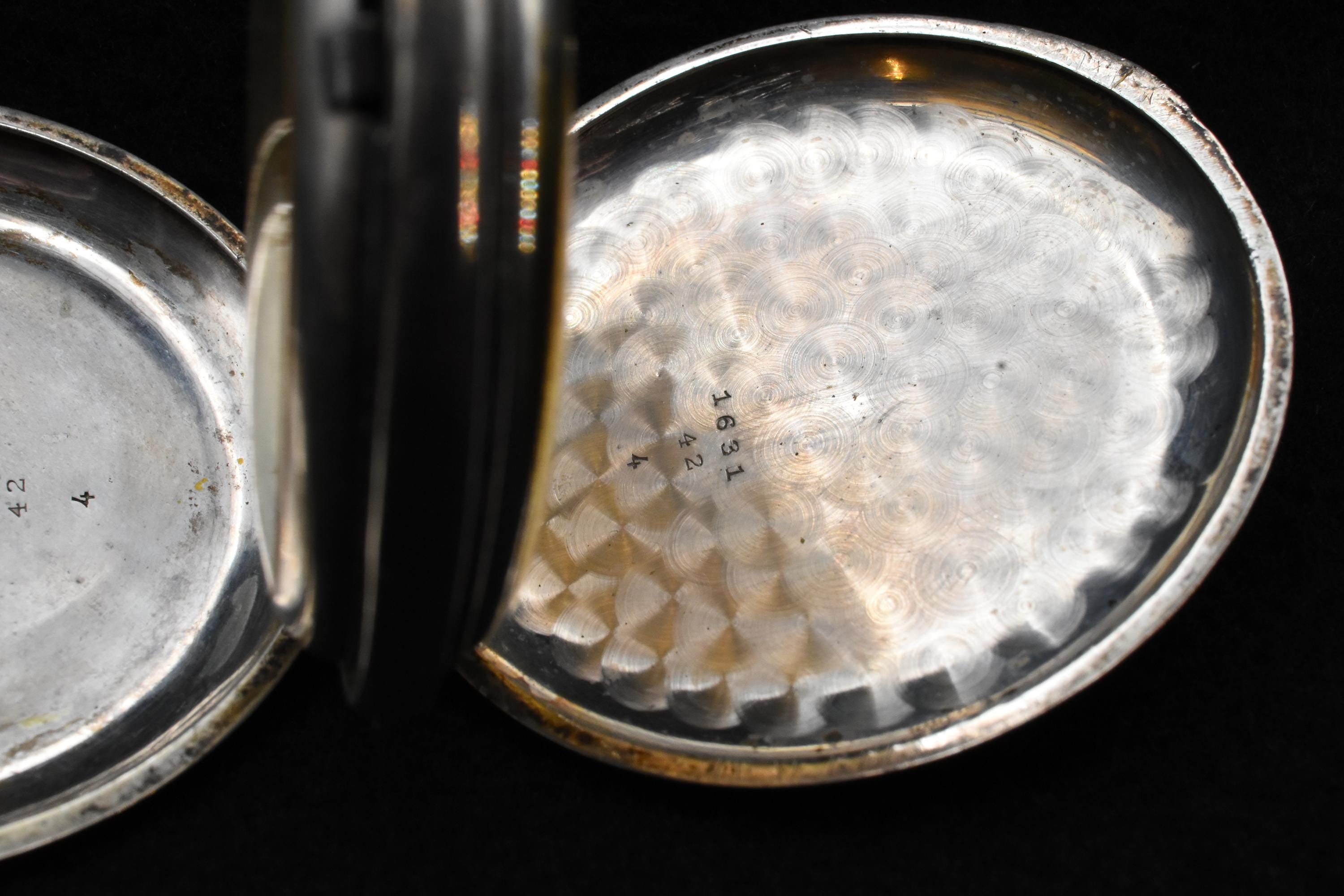
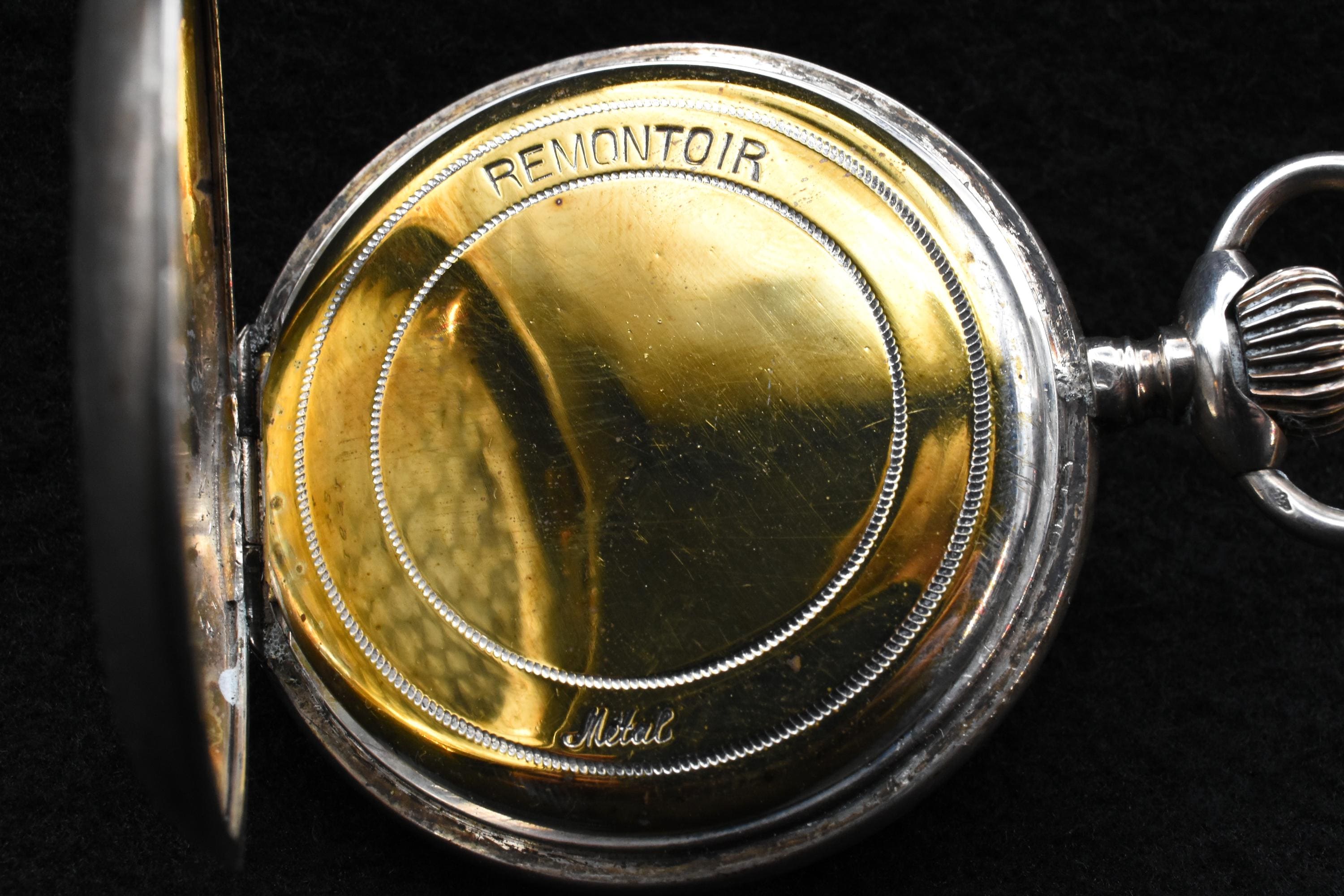
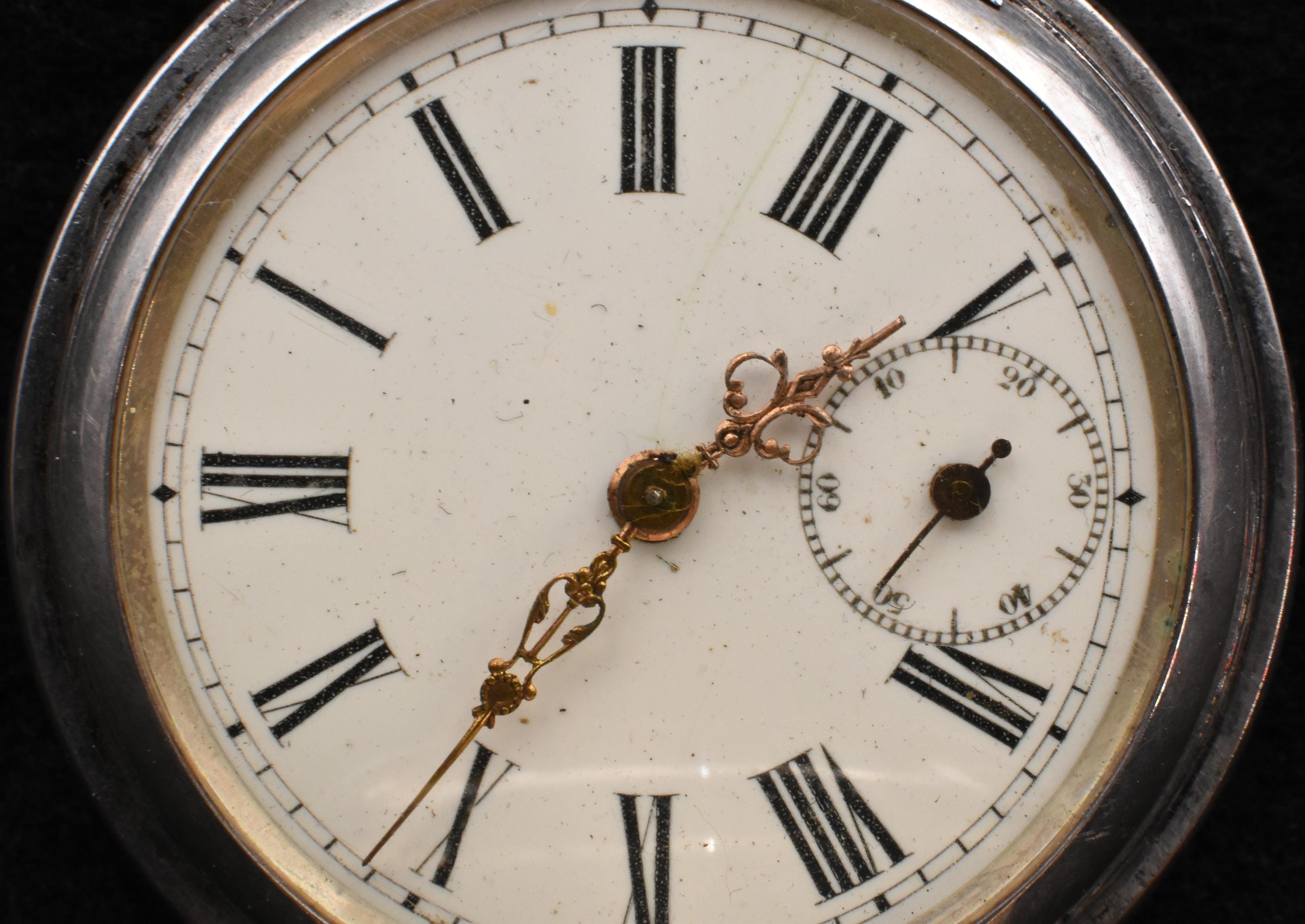
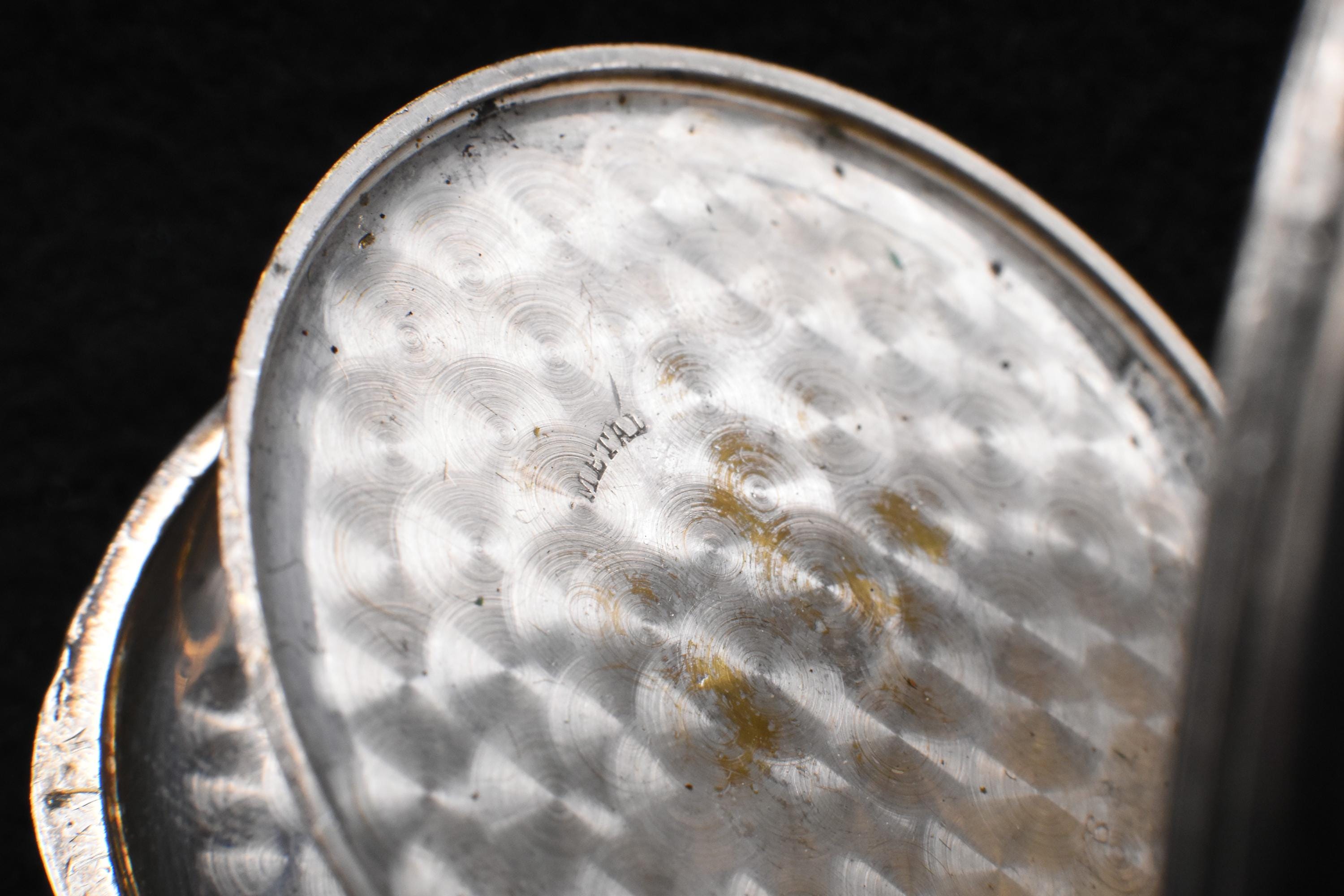
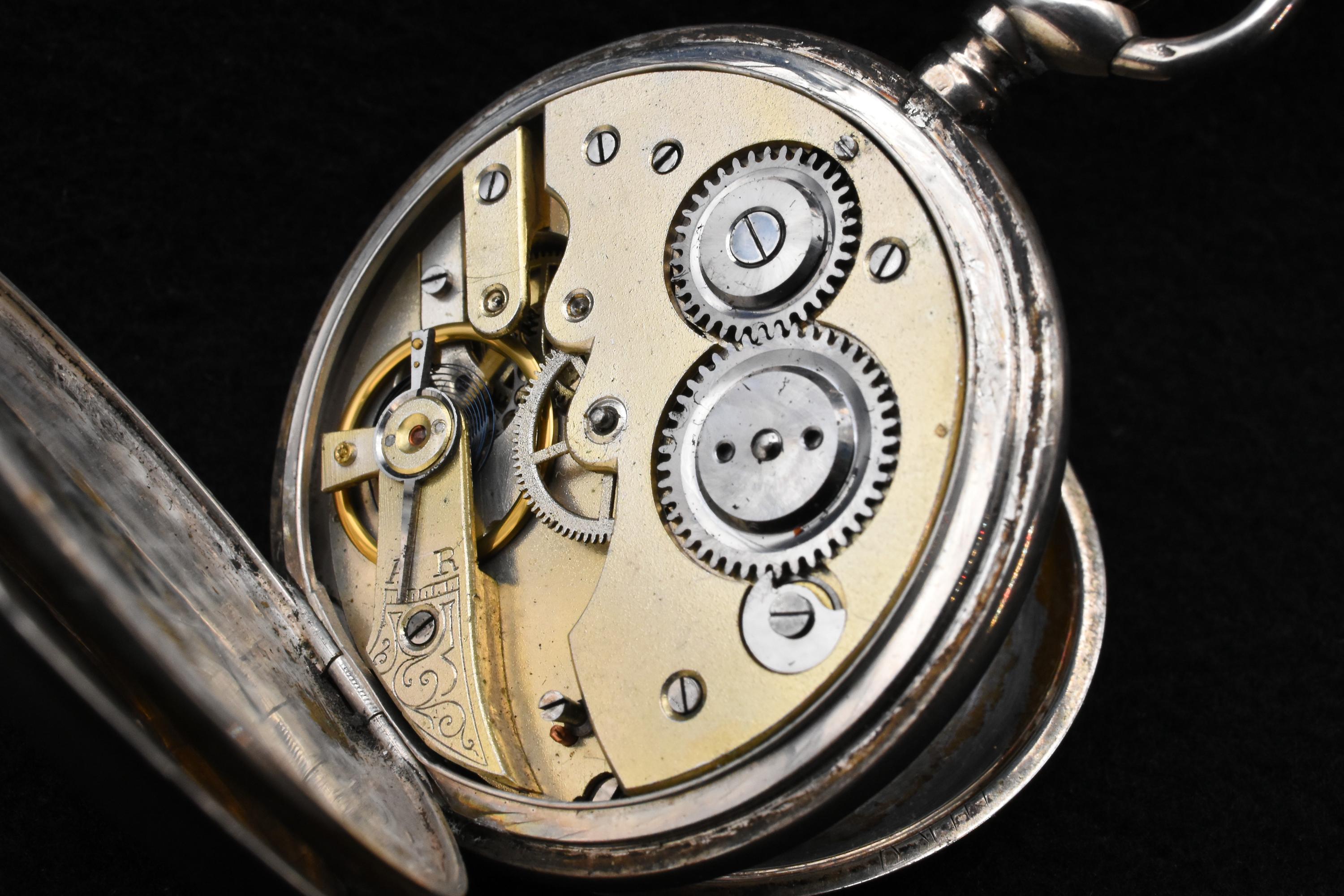
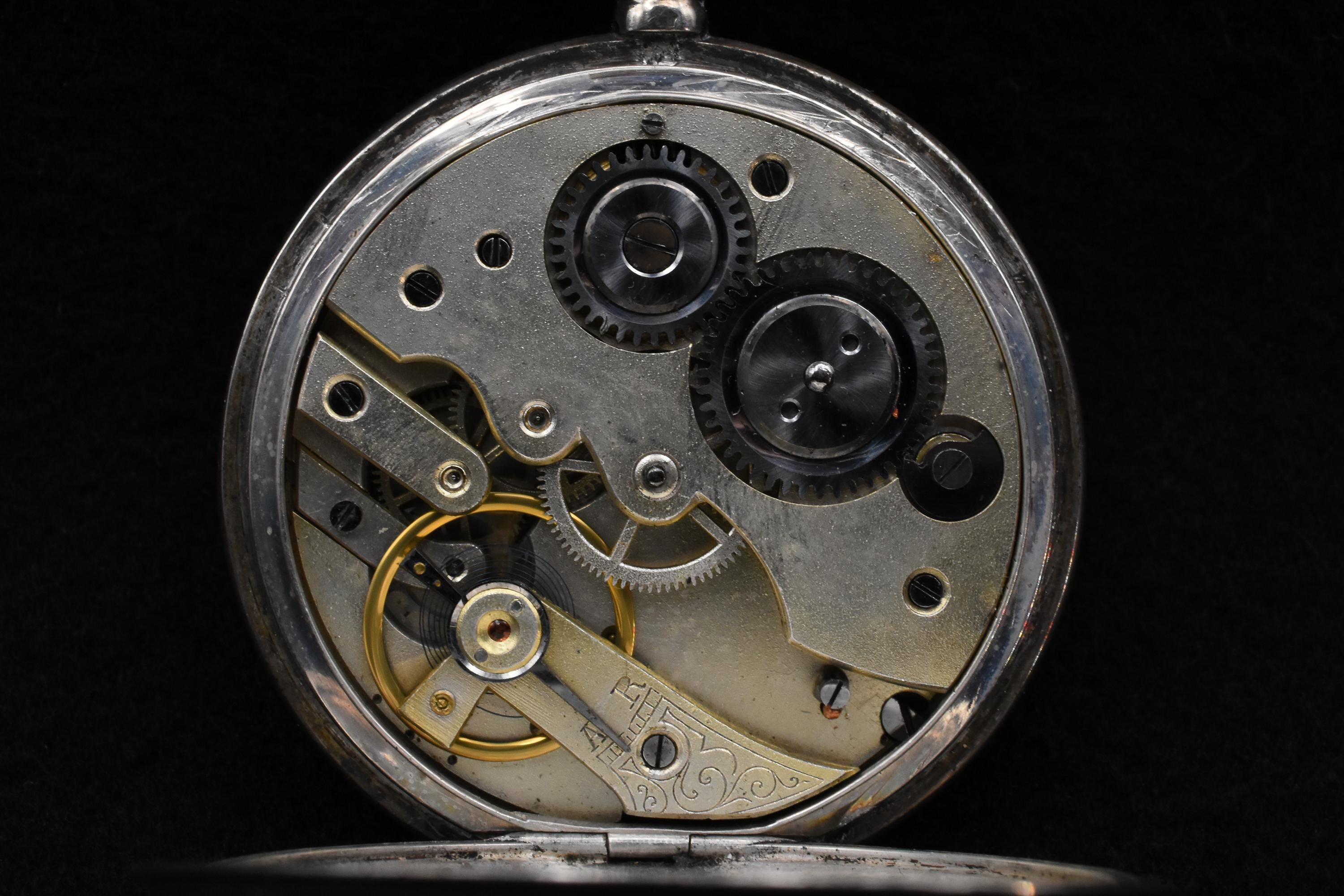
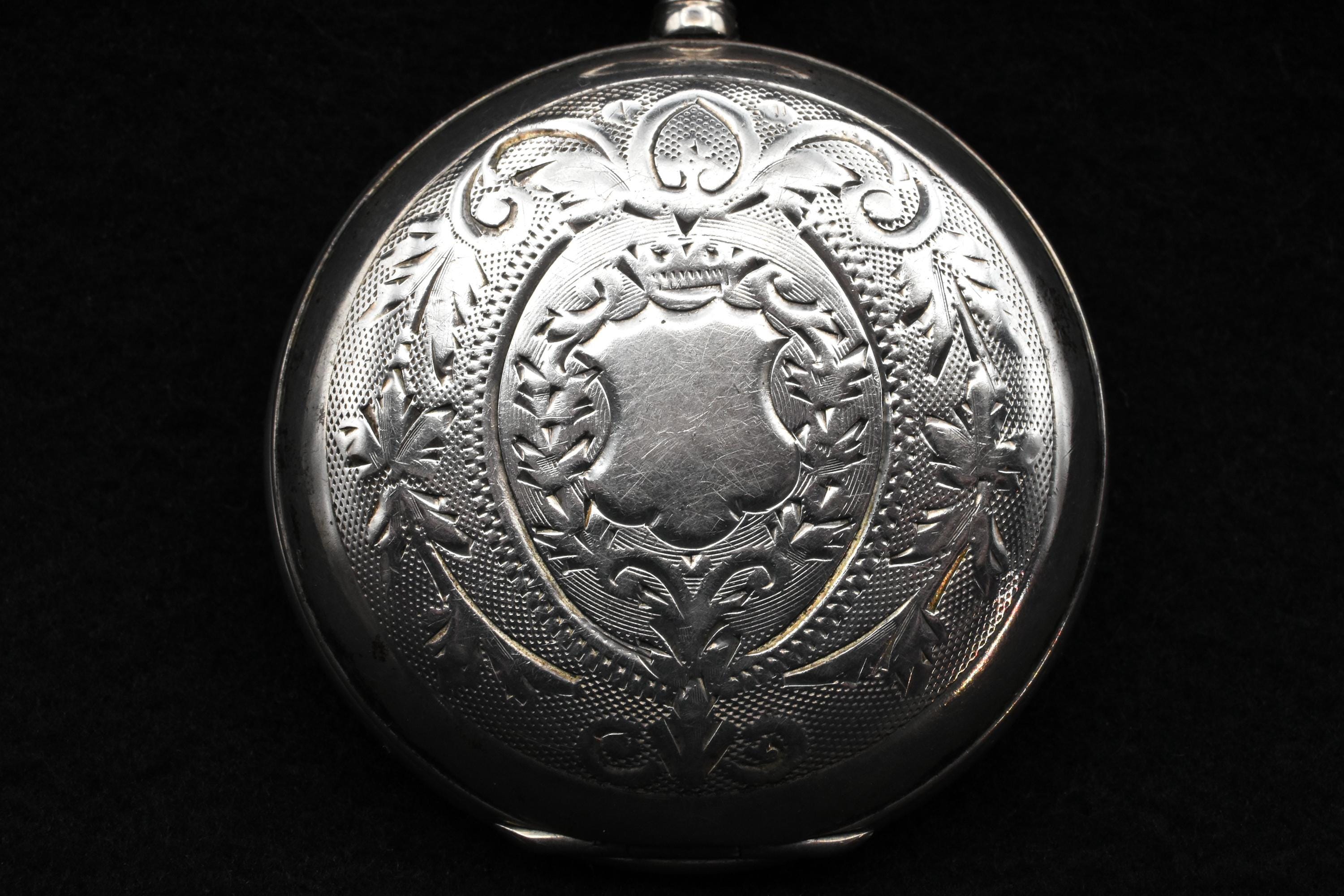
There's really not much to say, sadly. There is no maker of any kind, no serial number with which to identify the piece, nor is it made of a precious metal to which we can attribute a higher class or value of instrument. We can date the piece simply based on the design principles, following the evolution of the personal watch. The "Remontoir" label puts us firmly in the late-19th century, at least, but the "Metal" stamped on the piece shows that it is made of brass and copper, at best, most-probably nickel plated. Although made of a more cost-effective material, it would nonetheless have been a prized possession of some lucky owner... The winding crown, which doubles as a beautifully-functioning opening mechanism for the face of the watch, is located at the top, placing its year of manufacture well before the 1910s. I would assume this particular piece was designed to mimic the infinitely popular Swiss Remontoir watches, reputably some of the most desired and luxurious pieces one could purchase. The case is carved in the same fashion and of the same design as many of these more valuable pieces, but we can see a slight scuff on one of the surface covers, revealing a tiny glint of copper, underneath. Despite these revealing details, it is an admirable little thing. The interior and mechanism is in beautiful condition and it winds and ticks along merrily, keeping fairly good time, as well. The interior reveals a beautiful, burnished brass back cover to the mechanism of the watch, containing the "remontoir" moniker and the material, simply labeled as "Metal." The crown works wonderfully, both for winding and opening the piece. There is some very slight discolouration on the face, but that is to be expected from a watch that is approximately 125 years old. The intricate copper hands are clean and still keep their glow. It measures just shy of 5cm in diameter, with a total height of 6.2cm (not including the chain ring) and a depth of merely 1cm. It is a superbly built and wonderful example of turn-of-the-century engineering. It would make a wonderful addition to any collection and would even work very well as a personal watch, even today. Not bad for a 125 year old pocket watch!
As always, should you have any questions or comments, I'm always available and will happily return any messages almost immediately.
Thank you for visiting C&K! -
Shipping & Policies
Shipping from Canada
Processing time
1-2 business days
Customs and import taxes
Buyers are responsible for any customs and import taxes that may apply. I'm not responsible for delays due to customs.
Payment Options
Returns & Exchanges
I gladly accept returns and exchanges
Just contact me within: 3 days of delivery
Ship items back to me within: 7 days of delivery
I don't accept cancellations
But please contact me if you have any problems with your order.
The following items can't be returned or exchanged
Because of the nature of these items, unless they arrive damaged or defective, I can't accept returns for:
- Custom or personalized orders
- Perishable products (like food or flowers)
- Digital downloads
- Intimate items (for health/hygiene reasons)
Conditions of return
Buyers are responsible for return shipping costs. If the item is not returned in its original condition, the buyer is responsible for any loss in value.
Frequently Asked Questions
Can I combine delivery on multiple items?
Of course! We'd be happy to assist. Just send us a quick message and we'll make sure to combine your items into a single package to reduce the shipping costs.